Photographing Wildlife: What I Have Learned in New England
The hawk looks beautiful and you realize you have a chance for a photo. Slowly, you stop your car and roll down the window, but you notice something doesn’t feel right. Then, you decide that you need to be closer and, very gently, open your car door and step out. That’s all it takes: the hawk flies away and you miss your chance.
One of the most difficult things to photograph for anyone is wildlife. It takes years for photographers to learn how to capture certain animals, and the learning involves not only photography. The photographer needs to know a lot about the animal in question, its behavioral patterns and how well they accept humans. He/she also needs to know how to act in the presence of such an animal.
Although I have taken some acceptable or good photographs of wildlife in New England, it is obvious that there is a lot for me to learn. Being relatively new to the state and seeing some of those animals in person for the first time in my life has sometimes taken me by surprise.
It is my firm belief that most of the good pictures I have taken of hawks, deer, bears, etc have had a very lucky component to it. Most of them have taken place in moments I have been behind the wheel, and also in an area where pulling over and stopping the car is possible.
I have also been blessed with some of them not being afraid of me, and they have accepted both my presence and my proximity. Others, on the other hand, get scared very easily, and they decide to either run or fly away for their own safety. So, my lessons on that front have been learned.
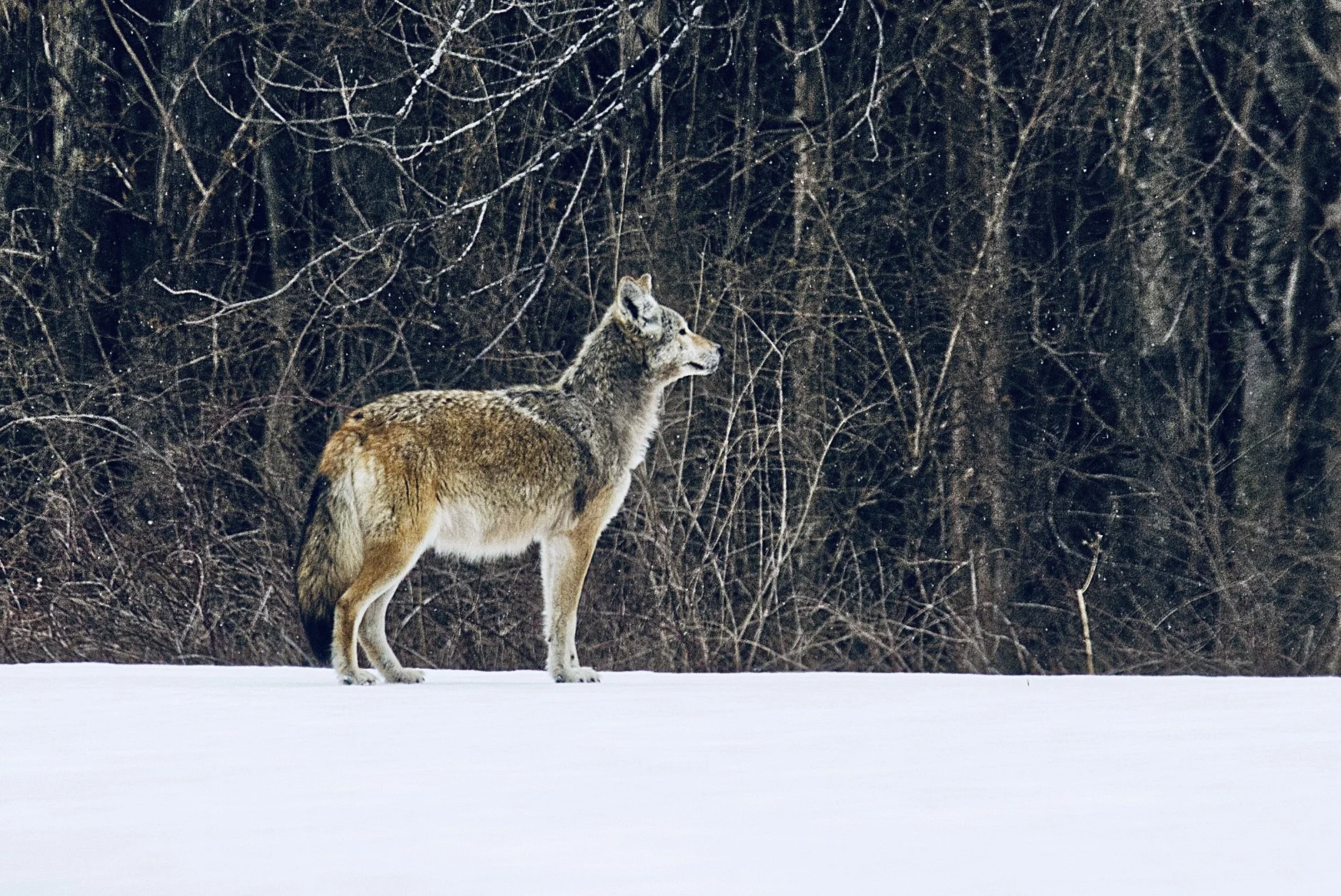
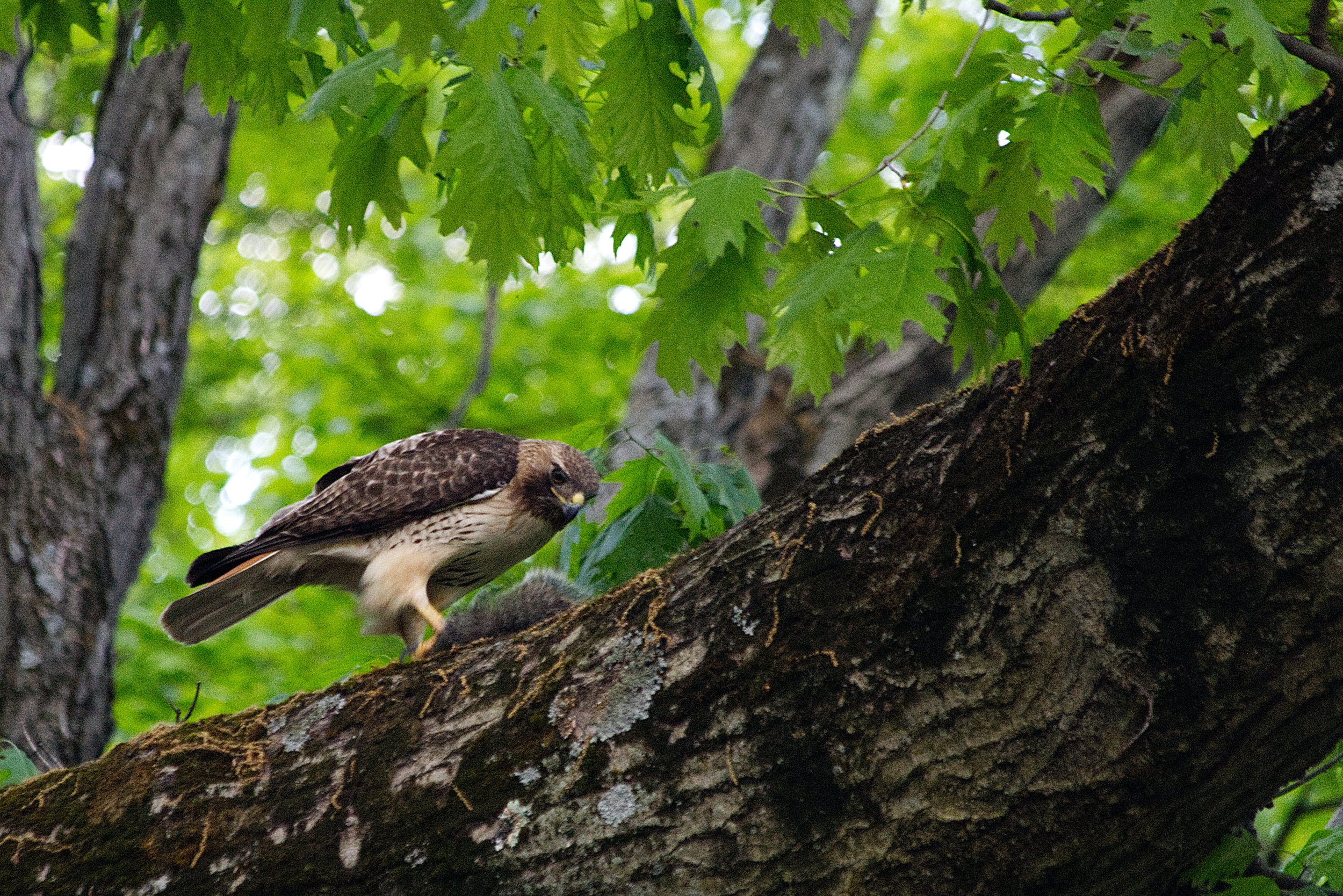
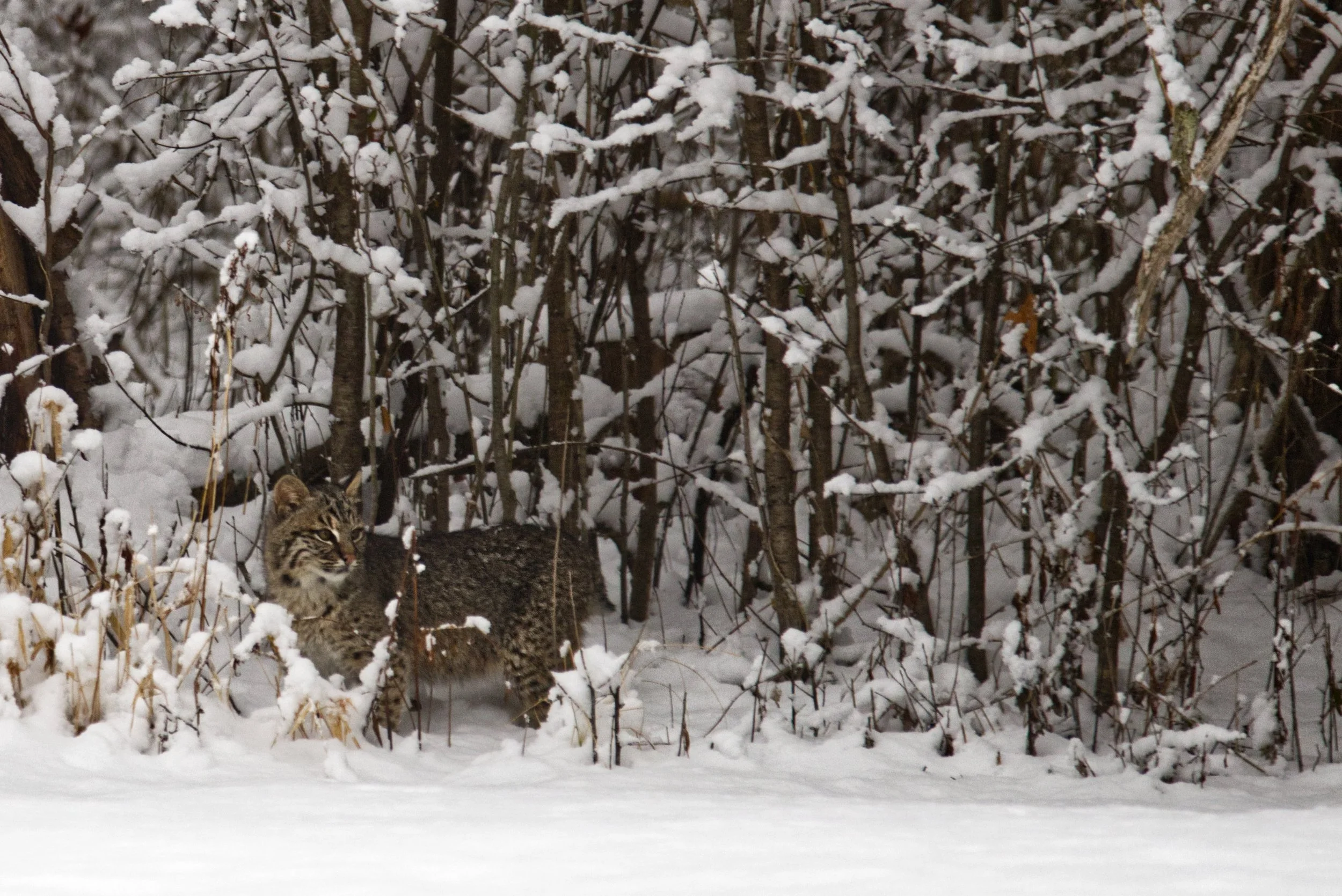


So, even though I am not an expert in wildlife photography, I have come up with a small list of lessons I have learned and others I—and others—need to learn to take good wildlife photography, at least here in New England. Some of these are empiric, others are the consequence of me reading from other photographers.
Check your surroundings, always. For someone who is not on the hunt for animals to photograph, and venturing into areas to check what’s new, keeping an eye out for an animal is imperative.
Walk at a normal pace. Walking too fast may trigger an animal to run away because they may find you like a threat when they hear you. I just don’t recommend walking too slowly.
Don’t scare them away. As much as you want to catch the photo, you need to do your best to avoid getting too close and altering their lifestyle. Sometimes, in doing so, you may deprive them of a meal, or deviate them from their path to shelter.
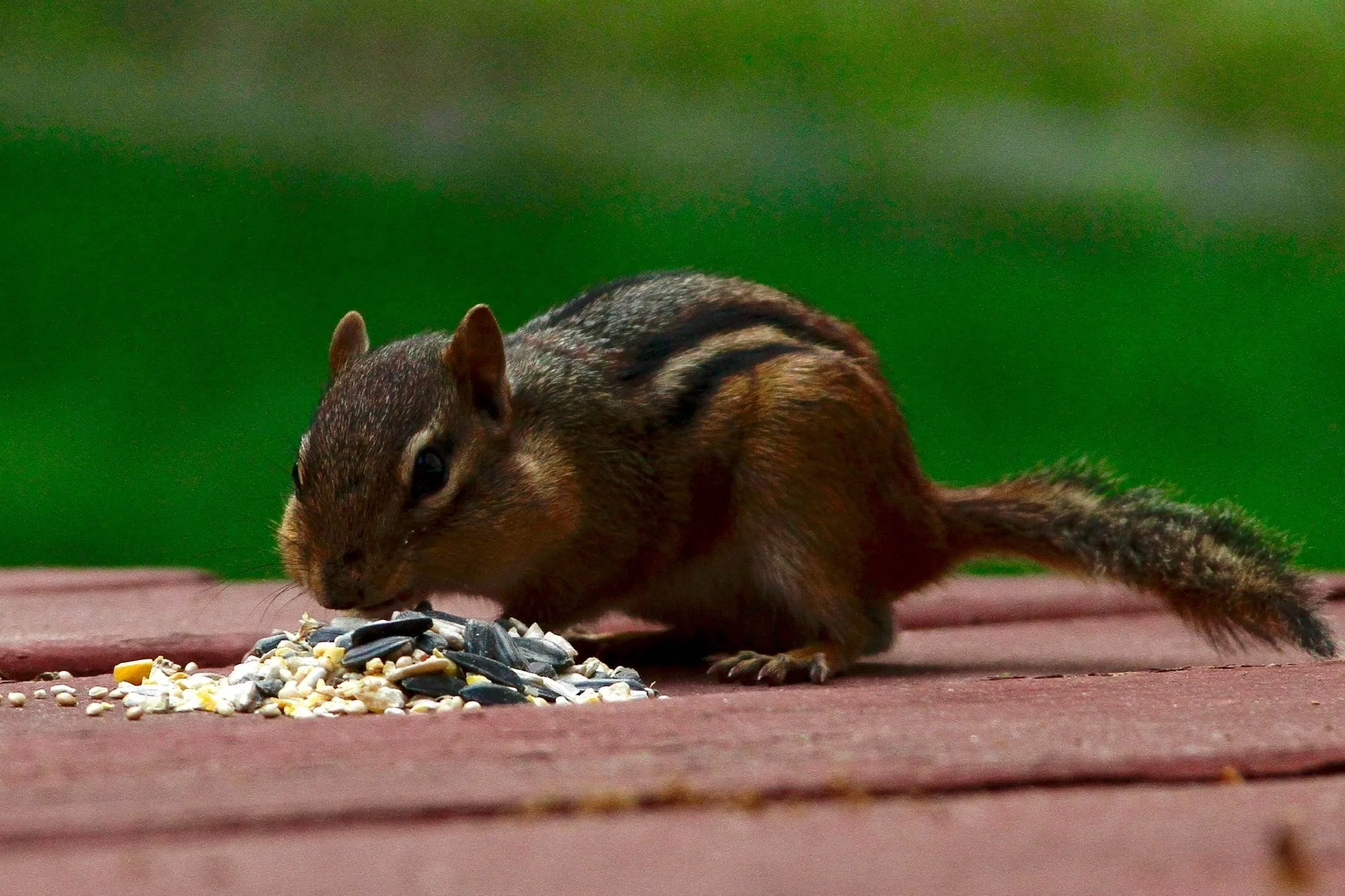
Do not feed them. Feeding them to get a closer picture is also unethical. Even though whatever you may give them food that is not bad for them, the less you intervene with their lives the better. I did it once, to capture a chipmunk, and I regret it.
If you can’t take it, don’t push it. Sometimes the animal you see is not meant for you to photograph. You either have the wrong lens or may have run out of battery. Getting that changed hastily may result in you scaring the animal away or dropping something, leading you to miss both the shot and a few hundred dollars on a lens.
Beware of where you are. Knowing what animals you may encounter depending on the area you are is important. I know that here in Connecticut we can find bears, coyotes, foxes, bobcats, deer, cottontails, squirrels, chipmunks, possums, woodchucks, raccoons, red-tailed hawks, red-shouldered hawks, bald eagles, blue jays, cardinals, robins, and others. So, I am always on the lookout for them.
Understand their behavior. Knowing that bears hibernate is important. You know when they are not going to be out, and also when they are more active. Keeping an eye out for all that is important.
Be safe, always. Safety first. If you are on a trail, you need to make sure that you don’t get ticks on you. It is also important to not come too close to bears (mainly if they are mothers with cubs) or coyotes. Also, realize that seeing a nocturnal animal like a fox or a raccoon during daytime may indicate that they have rabies, so you better stay clear of them.
There will be other things that many other photographers do, and some may not agree with my views. These are just the steps I think about whenever taking wildlife photos. Again, I am not that much of a wildlife photographer (not at the level of National Geographic), but I can say that living in New England has taught me a lot.