Photographers until “M”: Reasons to Shoot in Manual Mode
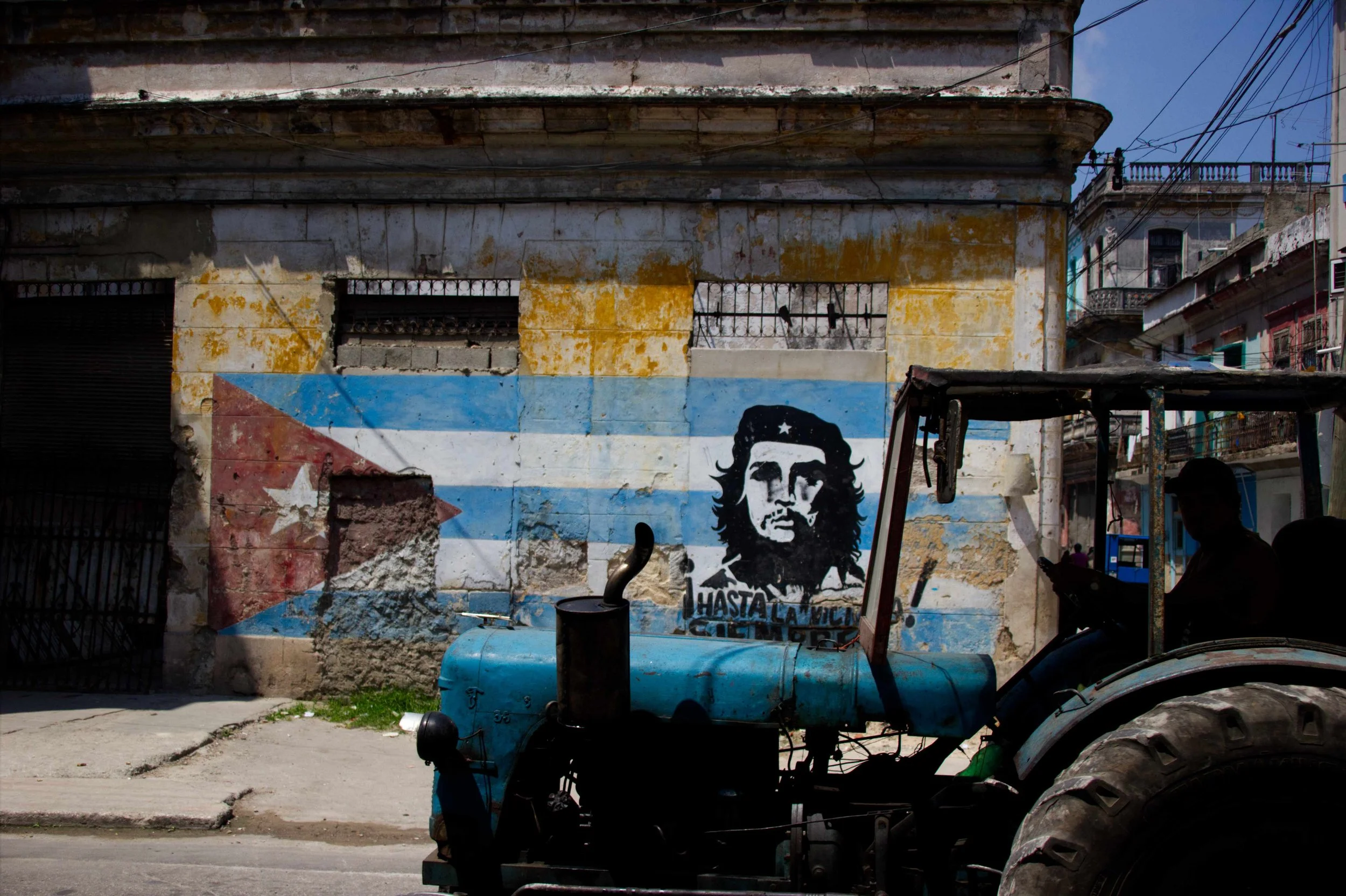
Image taken on Calle Cárdenas in Havana. Full manual mode, at f/4 and 1/4000 seconds. Manual mode allowed me to ensure that the tractor driver was nothing but a shadow.|Credit: Reynaldo Cruz Diaz
When someone starts in photography, mainly if they don’t have a good camera, they generally use full automatic mode. After doing some reading, they might switch to creative modes, depending on the gear they have, or they may simply stay in full automatic mode.
If they start with something like a bridge camera or a DSLR, they normally use likelihood of them moving quickly along the Mode Dial, from the basic mode to the creative mode is very high. Although the basic mode (full automatic, scene mode, etc) lets the camera select the exposure mode it thinks is correct. Meanwhile, the creative mode (Program AE, Time Value/Priority, Aperture Value/Priority, and Manual Mode) the photographer has control of the exposure settings.
How I learned
It was with my Samsung KENOX S760 that the possibility of shooting with creative mode first appeared to me. Although the camera was not powerful enough to play around with it and render good images, it gave me decent pictures. I must admit, however, that I never used pure Manual mode with it, but got as far as Program mode, which was not that bad, considering the equipment.
My two experiences with Fujifilm were lived entirely in the creative mode. From program (most times) to full manual mode (very seldom), I experimented with aperture and shutter speed, with ISO being mostly kept in automatic mode. Yet, my first Canon, the EOS Rebel T3, was the one that actually helped me understand shutter speed and aperture in a way that, instead of a “sacrifice”, became a necessity.
Why we should do it
There is one strong reason to shoot manual that in my opinion outweighs those not to do it. Control. You are in charge of the exposure triangle (shutter speed, aperture and ISO). You have full control of the exposure settings, and you can tailor them to your needs or interests accordingly.
When you control only one of the three elements, the camera sets the rest of the exposure based on how the light is measured at the spot you have focused. That can cause your pictures to be underexposed or overexposed because the rest of the frame has different lighting from the point you focused on. Also, sometimes, what you are focused on is not necessarily what you need to have in perfect lighting.
So, controlling all the elements of the exposure triangle yourself is how you control the way light comes influences your picture. That way, when you are taking multiple photos, the settings won’t change because the camera can’t make any decision on its own.
Also, spending money buying an expensive camera to shoot fully automatic is a huge financial waste. At least use aperture or shutter value (or priority, depending on your system) to control one of the three elements.
There are instances, like photographing the moon, for instance, in which you are forced to shoot manual to make a great image. That’s why we find rules like Loony 11 (moon, f/11, value of ISO equals the the number under one second) Sunny 16 (daytime, f/16, value of ISO equals the number under one second).
Interestingly, I find that once you get used to shooting fully manual, it is almost impossible to go back.