The Importance of Copyright in Photography
You are camping in the woods with a group of friends. Being a photographer, knowing of the prospects of seeing wildlife and nice scenery, you carry your camera with you. You have been taking pictures of your friends while also shooting the landscape, but your friends complain that you are never in the photos. Frustrated, you let one of your friends, who knows how to use a camera, to snap a photo of you with the landscape in the background.
It is then that it happens, just fractions of a second after he/she presses the shutter, a bald eagle flies in, and your friend also aims and shoots, capturing an award-worth picture, worth a couple thousand dollars. Who owns the photo? Who gets the profit?
At this moment, if you are a true photographer, you will NOT take any credit for the picture, even if it was taken with your camera. You know that the shutter was pressed by someone else, who is now entitled to all of the revenue that might generate for the sales of the photograph.
This is a very controversial topic. Camera gear is expensive: as good and skillful as your friend might have been, you paid for the camera, the lens, the cards, the batteries, the insurance, and the maintenance. It seems—and is—unfair that someone else gets money and prestige out of your own investment, sometimes without ever giving you a dime for it. But the reality is that the person pressing the shutter is the one who has all the rights to the photos.
The reason is simple: a photograph is a piece of art and documentary, and it will always depend on the eye and timing of the person who has control of the camera at the time to capture the image. That is one of the reasons why some photographers—including myself—do not like anyone touching their gear: my camera, my photos.
Perhaps the most notorious case about copyright with pictures came during the controversy of a selfie taken with David Slater’s camera by a macaque named Naruto in Indonesia. Yes, a monkey took the photo. The selfie, which became famous and rolled around the web because of the almost contagious smile of the otherwise unknown primate, generated revenue that would have been fully collected by Slater hadn’t been “taken” by the owner of the camera.
The right over a photograph lies SOLELY on the person who pressed the shutter. So, if you happen to lend the camera to someone, and that person takes photos at the time, those images belong to that person. It doesn’t matter at all who owns the camera, who organized the shoot and even who posed for it: the person who presses the shutter owns the photograph.
When I was working as part of the I love Cuba Photo Tours team, I took MANY pictures that I had to give to my clients in their cards. As far as I am concerned, none of them used them as their own, but I did visit my late friend Marco Bonta in Ohio, and he had pictures I took printed, and he always told people who was the person who took them. Marco, who died recently, was the person who bought me the best backpack I have ever owned, brought his own camera to Cuba, but he respected my professionalism and let me take the pictures of his trip for him.
As the taker of a photo, you have the right to even sue somebody if they use it without your consent, and even more if its use generates some revenue for the person. Even if they give you credit, there is room for a lawsuit, but if no credit is given, things can get even worse for the person who used it.
Coming from Cuba, where copyright laws are not respected—you will see Cuban newspapers and websites constantly using photos downloaded from different websites around the globe—, it takes some time to adapt to this reality. But being a creator myself, I know all the effort and talent that surrounds the action of taking a good photograph.
The government website of the US Copyright Office holds valuable information that can be helpful to photographers. For instance, when a work made for hire is performed, the photographer may or may not hold full right of their images. That’s why it is always important to read carefully any contract you sign while working with a publication, because at some point you may lose those rights, particularly if you are using their equipment.
Also, when part of a media pool, the rights of the photo may or may not be fully retained by the photographer who took it. All of this is obviously determined by the contract and terms of the pool agreement. The same will happen when the photographer has an exclusive agreement with an agency like Getty Images. Those agencies, however, will protect the copyright of the author (mainly by means of a watermark), stating his/her name whenever their pictures are published.
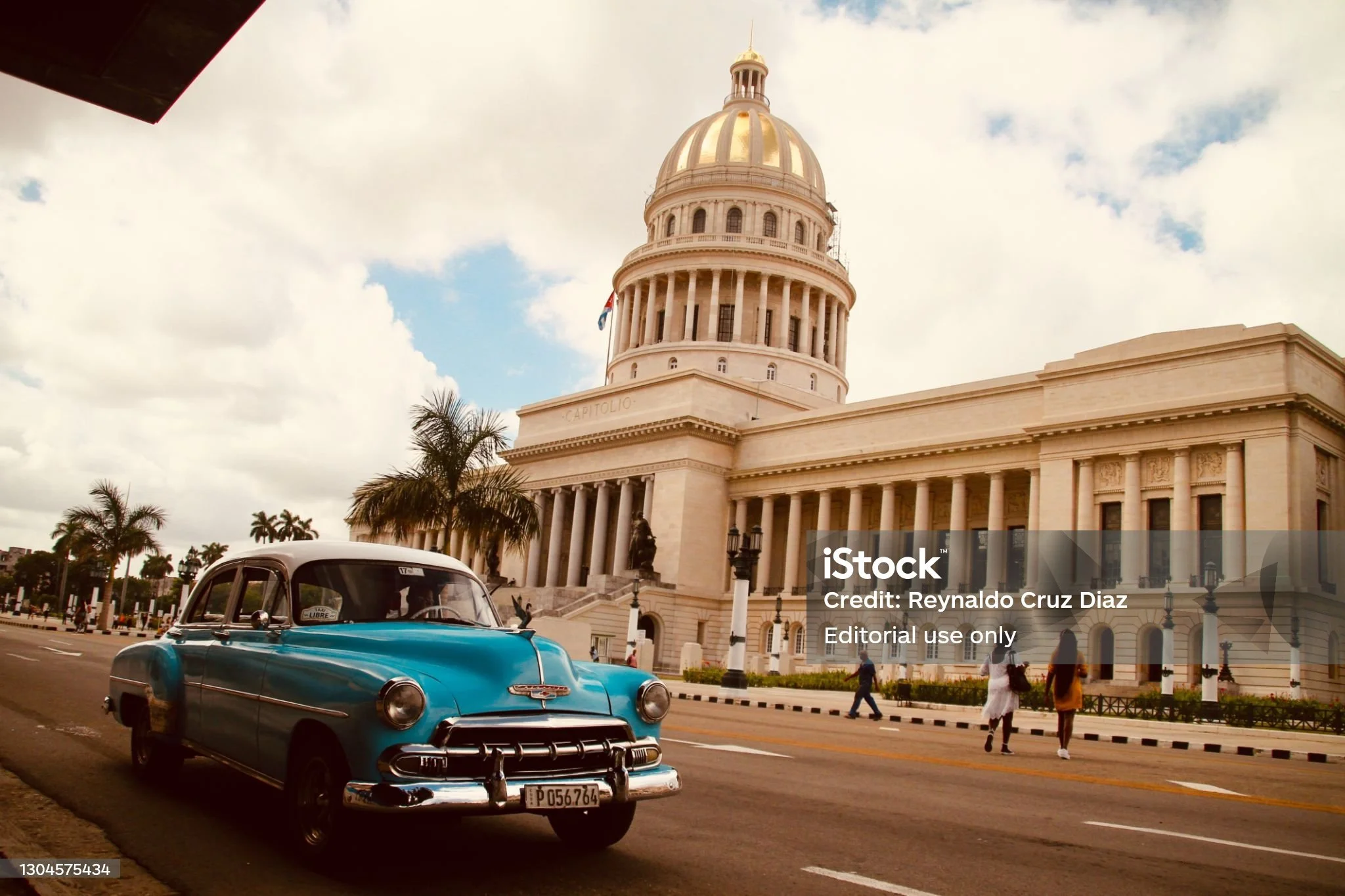
Photo from my iStock folder. Note the watermark on it with my credit on.
Having an non-exclusive agreement with iStock of Getty Images, I know I can use my photos elsewhere and even sell them to other distribution agencies, like the SIPA USA wire service, where I have submitted some photos as well.
The most important thing to understand is that copyright laws vary depending on the circumstances, mainly involving the assignment in which the photographer is involved. So, the safest advice here will be to protect your images, make sure that the metadata in your photo holds all of your information, so that it can be traced back to you. In case the photo is a big deal, and you know it can be worth a lot of money, registering with the copyright office of your country is almost mandatory in order to keep people from stealing it.
For non-lens professionals, the most important element to keep in mind should be: if it is not yours, don’t use it, unless you want to be involved in a conflict that might lead you to have to pay up to $30,000 in damages.