To Do or Not to Do: Are TFP Sessions Bad for You?
The first time I heard of the term TFP, I had to google it to find out that it meant “time for photos”. You give your time as a photographer or model, and you get the photos for free. In an industry where people are looking into developing creative concepts of their own, it becomes important to have a diverse portfolio to show potential clients.

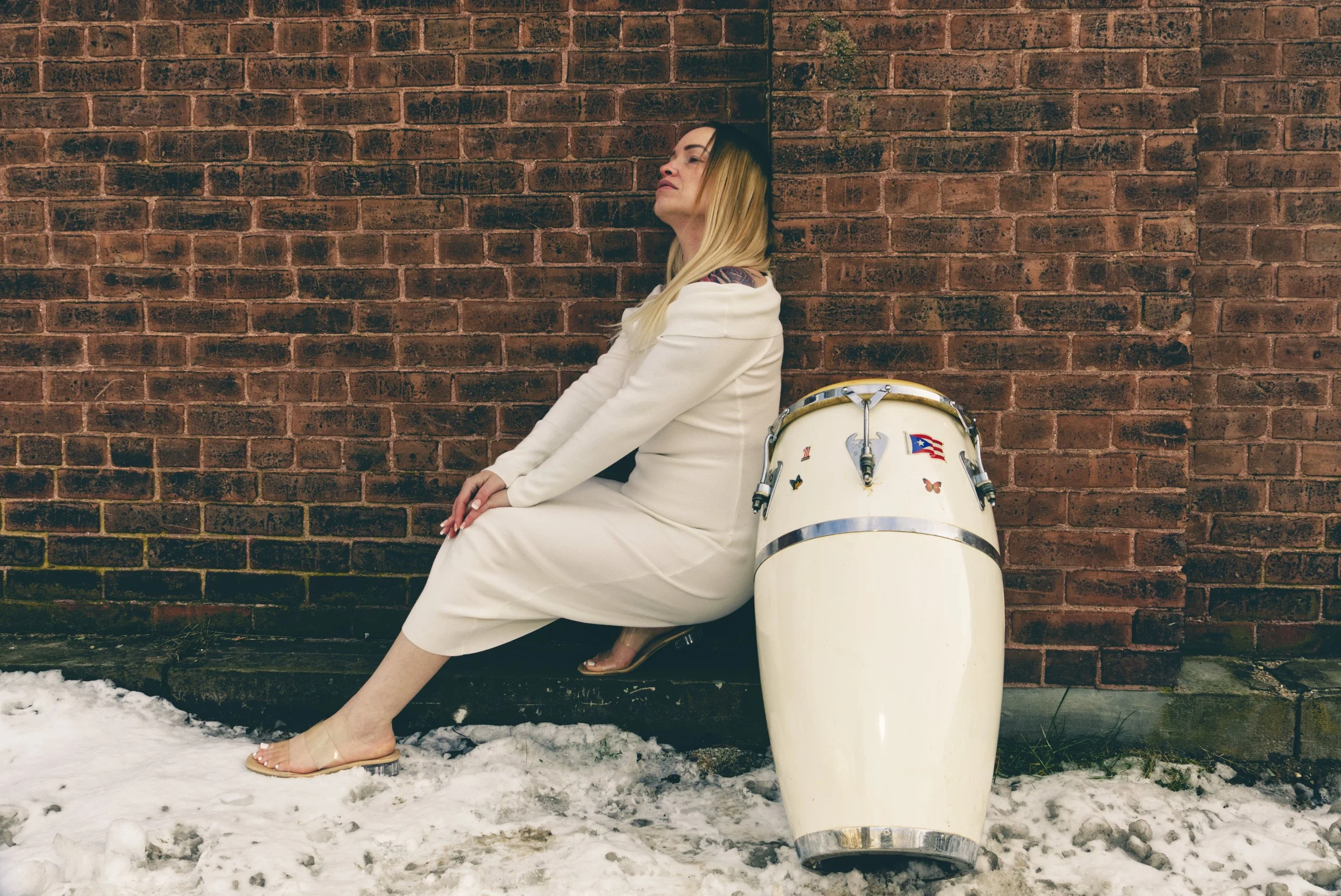
Alex Rumpf posing for a picture in Mystic, CT.|Credit: Reynaldo Cruz Diaz
This applies to both photographers and models. Being able to show a varied body of work is extremely helpful if you pursue to be hired for either role. Versatility in portraiture expands your clientele and makes you interesting to work with, whether you are in front or behind the lens of the camera.
Those Who Disagree
Some people will disagree with the TFP idea, mainly when they feel they are the least benefited part of the equation. In other words, they demonize and reject time-for-photos sessions when they are not getting paid for them.
Many photographers think that TFP is damaging the industry. They—as I also do, don’t get me wrong here—want to get paid for their work, as it comes with a lot of financial expenses and after-the-fact effort (selecting and editing the photos is sometimes more strenuous and time-consuming than taking them). But the reality is that many of them are completely unwilling or reluctant to pay when the model has a higher profile, and charges hourly for fashion, fine art, boudoir and nude sessions.
The same happens to some models, who want to get free photos while pursuing their own concepts, but then won’t do TFP when the photographers are the ones bringing the creative ideas to the table. In those instances, they simply do not respond or just respond by sending their rates.
In both situations, I could say they are wrong in one of the two. We photographers know how much we paid for our equipment, our software and our subscriptions, so we want to make a living. Yet, there is something that has to be understood, and that is the right of image. Every person has the right to their own image, and models have invested in their image, their outfit, and even in posing coaches. So, they also want to make a living.
What to me is a problem is when either or both parties fail to understand that it is a two-way road. If you are eager to get service for free, you should be willing to provide service for free as well. There is no way you can ask for creative TFP sessions when it interests you and then be opposed to pay when it is somebody else’s idea or gain.
Those Who Agree
But of course, there are those who are willing to engage in any TFP session they can, either for their own concept or for someone else’s. Those seemingly happy-go-lucky photographers or models pose an uncomfortable problem for those who only want to get paid, as some people have no desire to draw their cameras or their wardrobes without getting a financial benefit for it.
Some models will go out of their way to help a photographer with his/her concept, sometimes getting out of their comfort zone, while some photographers will make all their equipment available to pursue a model’s idea. Sometimes, their willingness can be looked at negatively by others, who only conceive doing a shoot if there is a transaction.
What many people just don’t get is that both photographers and models charge for their work. So, TFP comes as one of the fairest and most natural transactions, regardless of how much money either of the two charges for their services. Both will get great photos to use in their portfolios: so, despite the difference in pricing, it is a balanced transaction.
What should never happen, in my opinion—although it does—, is that one of the two parties involved tries to monopolize the shoot without letting the other think of their own photos, or what is worse, one of them agreeing to do the session because it is their concept, but then ditch the other when the roles are supposed to be reversed.
What I’ve Done
As an emerging portrait photographer—yes, even though I have done portraits for a long time, documentary photographer is my forte—, I have found myself doing more TFP sessions than I would have initially wanted to do. The upside of that has been the possibility of having enough pictures to showcase as part of my portraits gallery on this website, while the downside is obviously shooting without getting paid.
However, the many positive outcomes that have resulted from me doing those sessions include having the opportunity of meeting people and establishing connections. That is without counting the many photos that I have to show for it.
One of the biggest TFP (which was only TFP for me) was the ArtScape Studio shoot I did with Larissa Jones. My friend Malcolm Lobban invited me to a workshop in his studio located inside Toronto’s Distillery District. Although other photographers paid for it, I was invited to do it for free, and it became my first nude/boudoir shoot.

Other opportunities came thanks to my friend Alex Rumpf, who invited me to two of her dance gigs at Mohegan Sun’s Comix Roadhouse and two beach trips (one with her friend Alaina and the other one just the two of us). Needless to say, Alex is the only female model I have done solo shoots with, as I normally prefer the company or presence of a third person to protect myself and the model. The difference between her and the rest is that we have known each other and been friends for several years.
The last times I have done this type of shoot were with Christine Bakes (twice) and Tatiana Santiago. Both cases have been on the outside, and although the two shots with Christine were my own concept, she chose the outfit for both of them, and we are currently working on one that is her whole idea (probably a couple shoot including her boyfriend). Tatiana’s shoot was more of a combined concept: she had an idea and I tailored my own around hers, both outfit and props were her idea, while I only chose the location.
There are other projects being worked on at the moment, as I have established contacts with other people over the past few months.
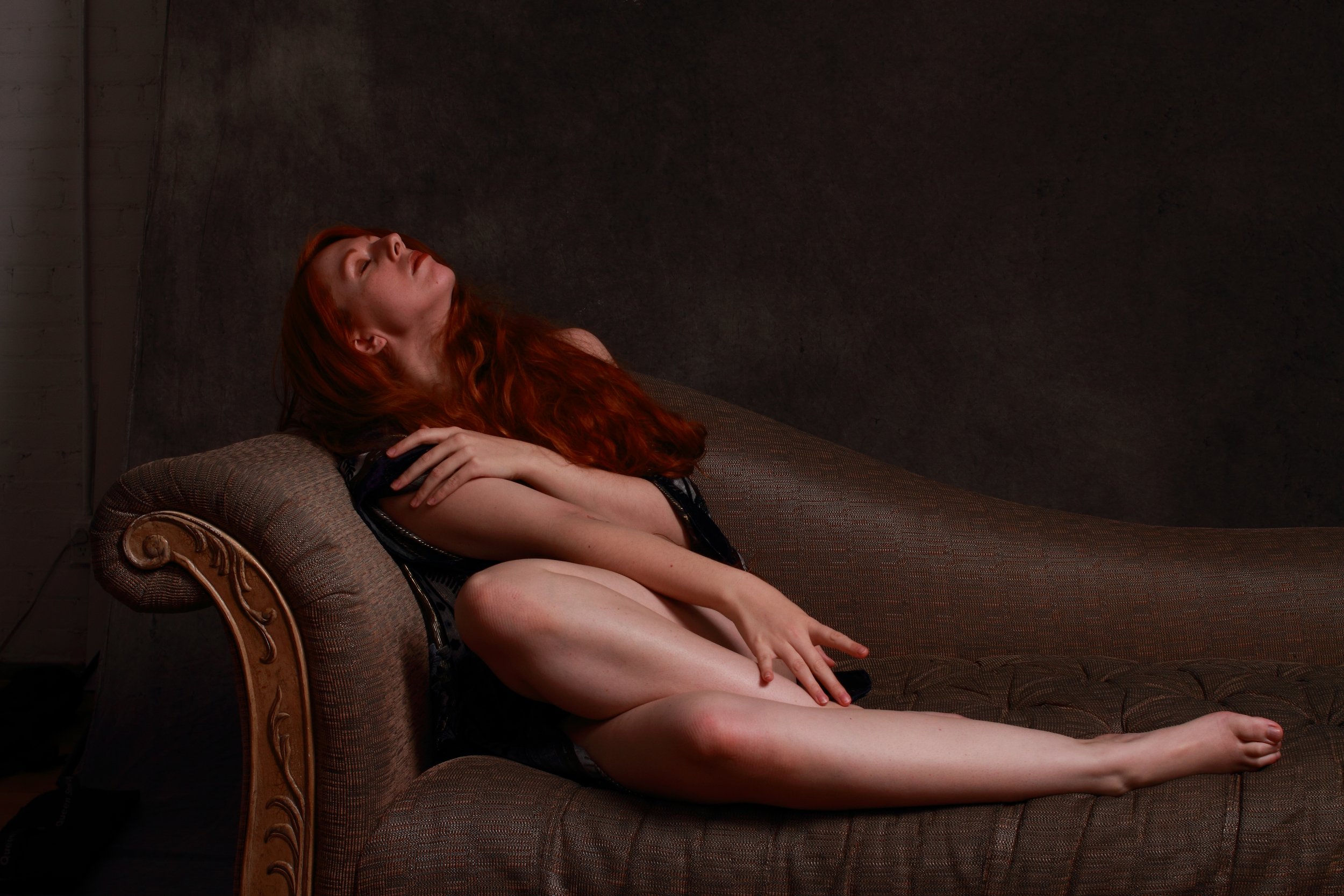


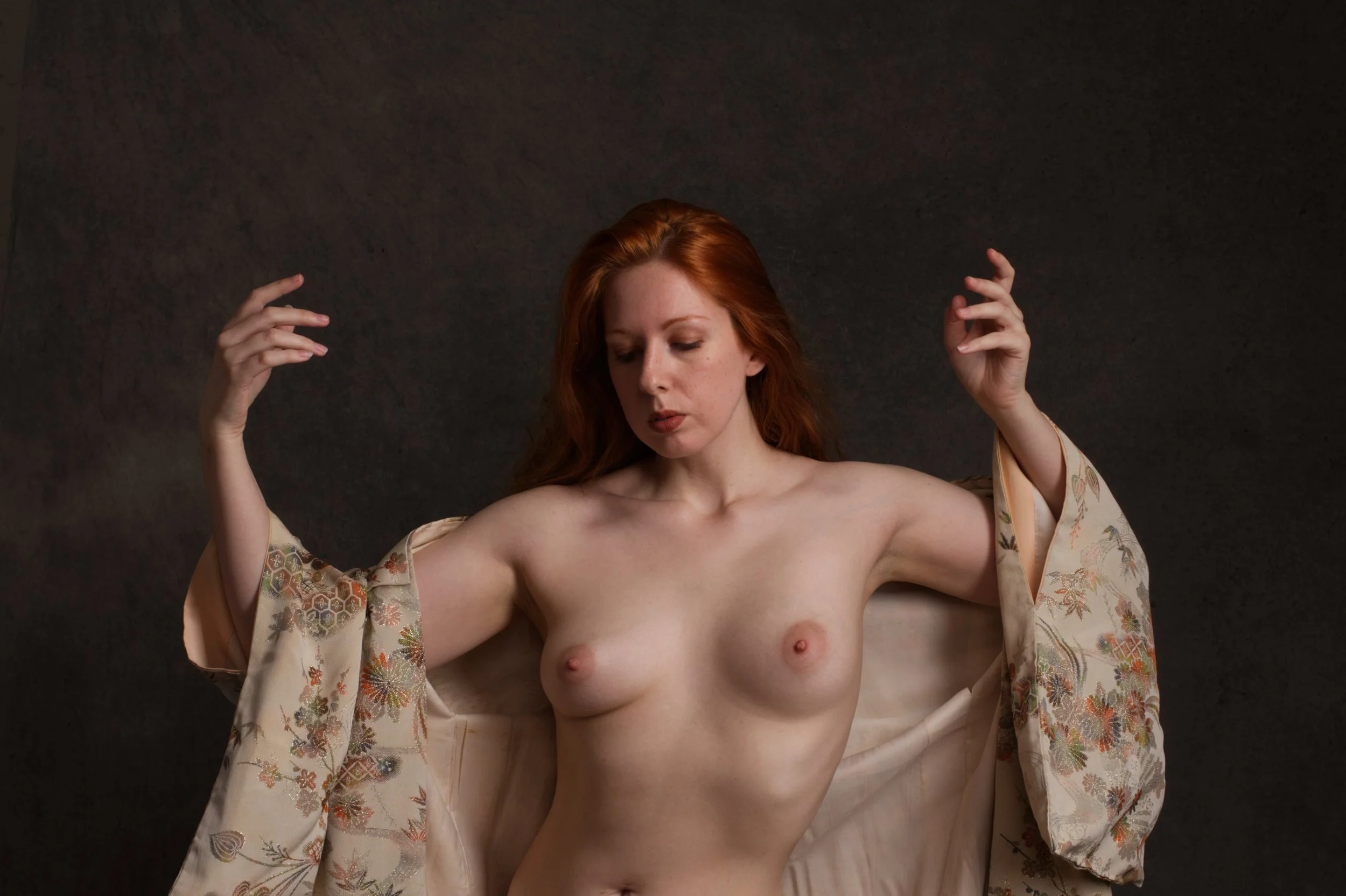
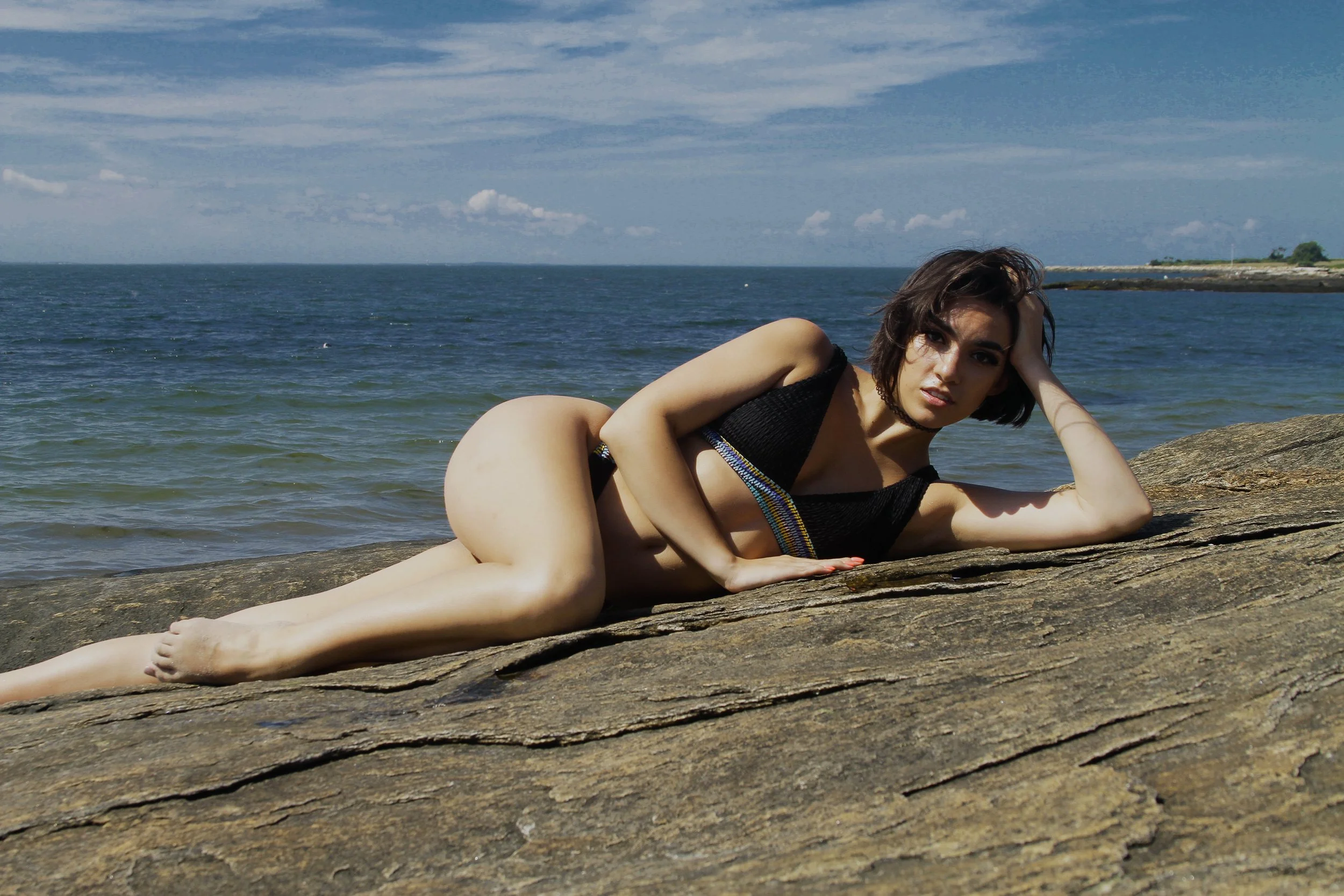
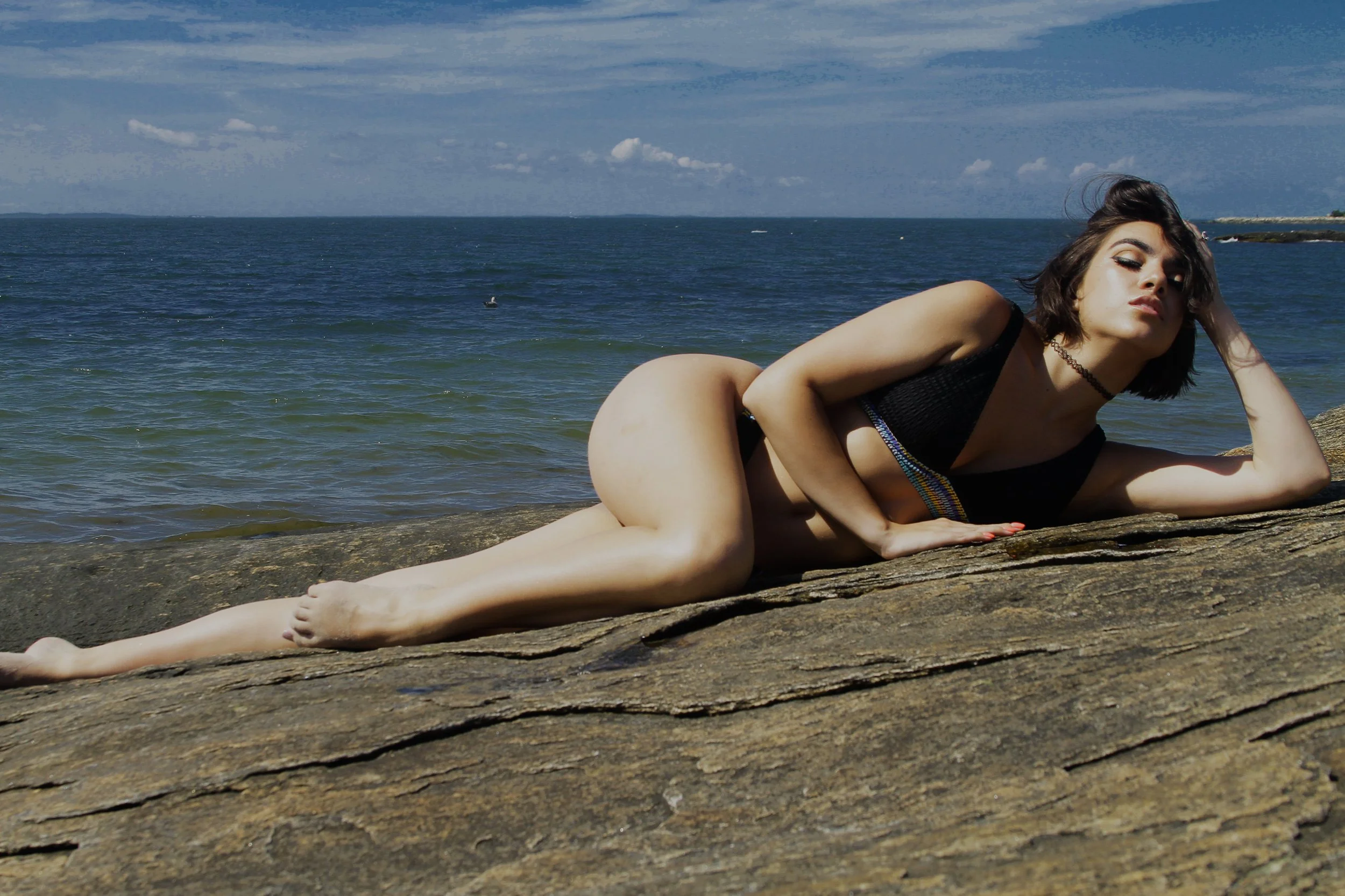
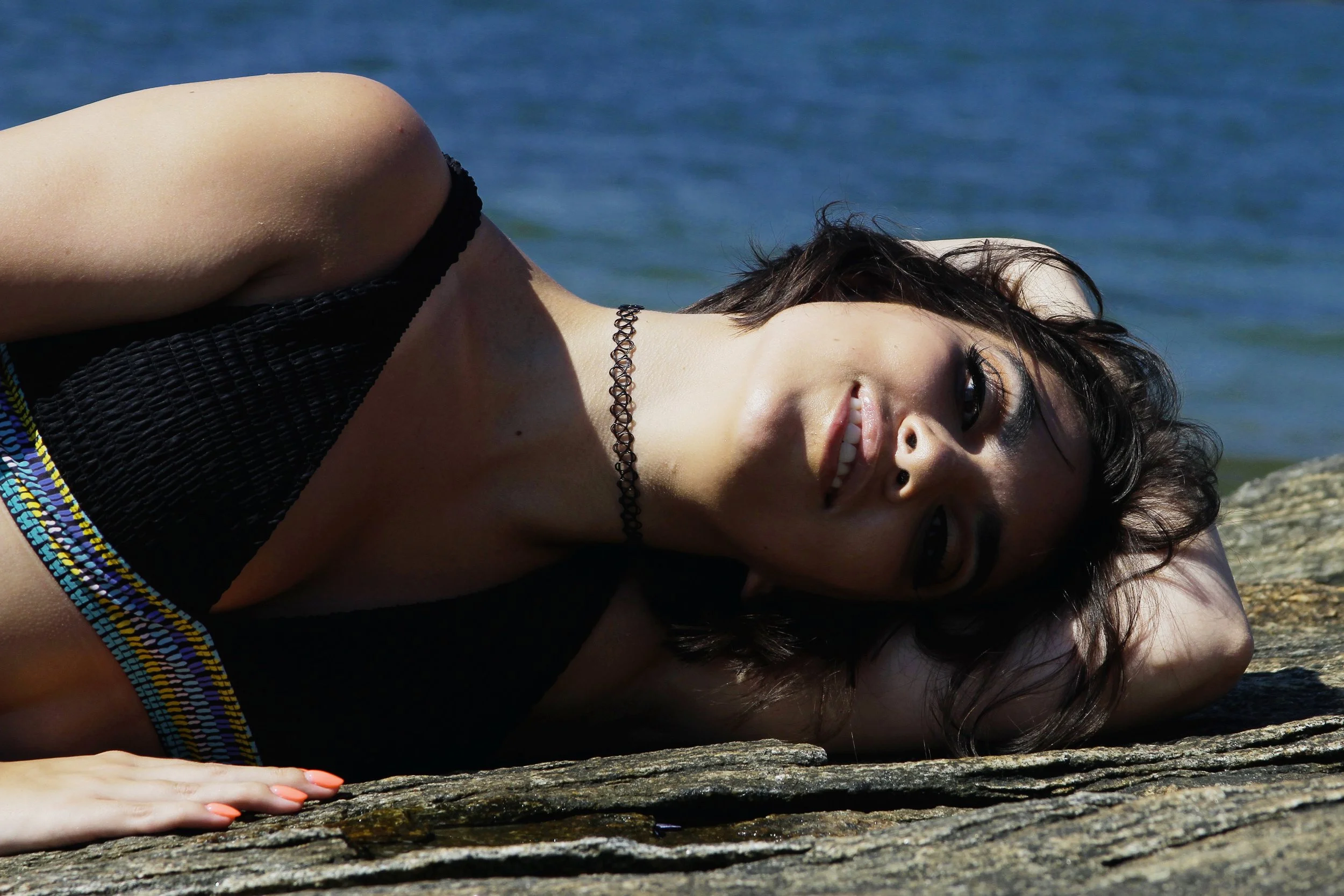
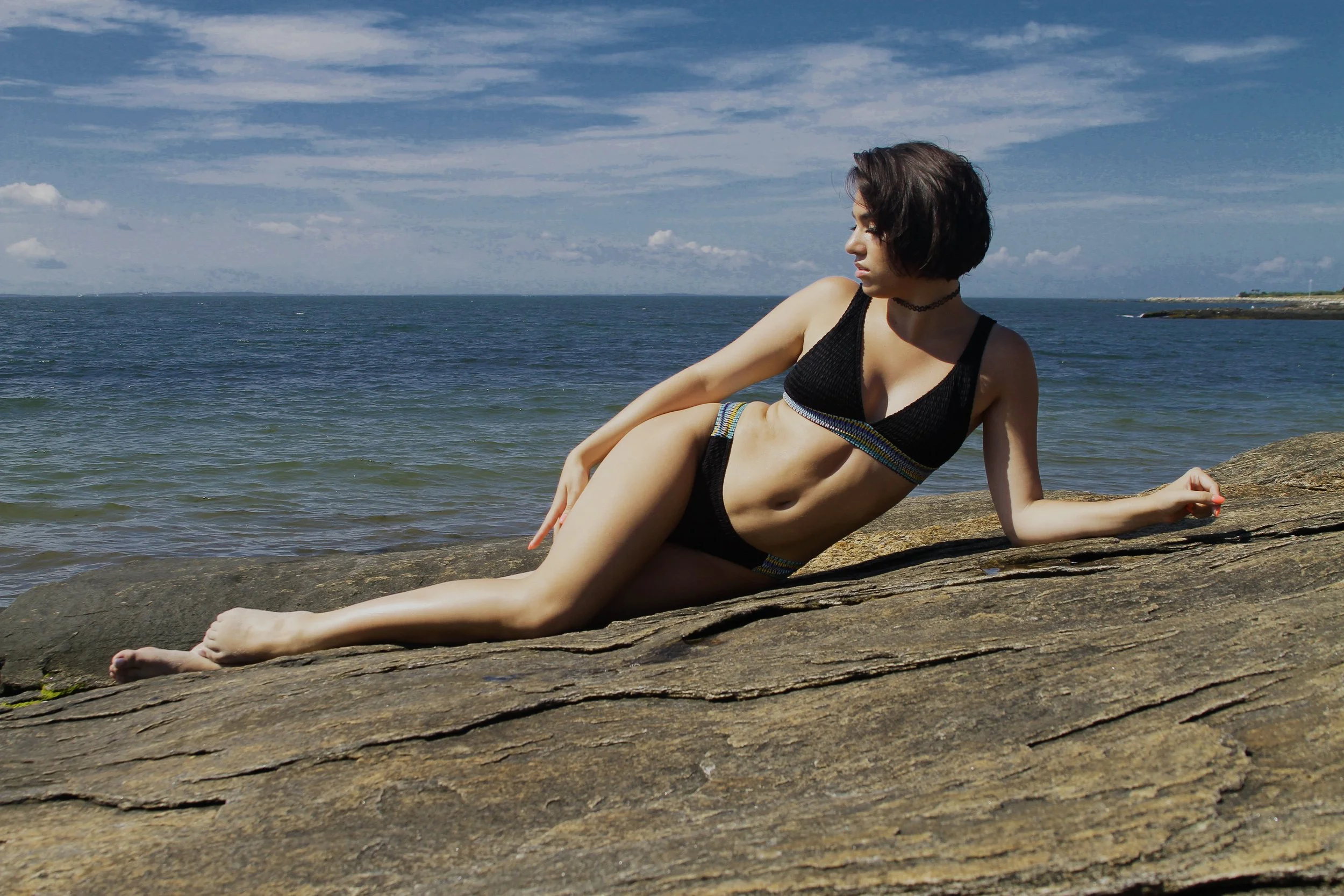
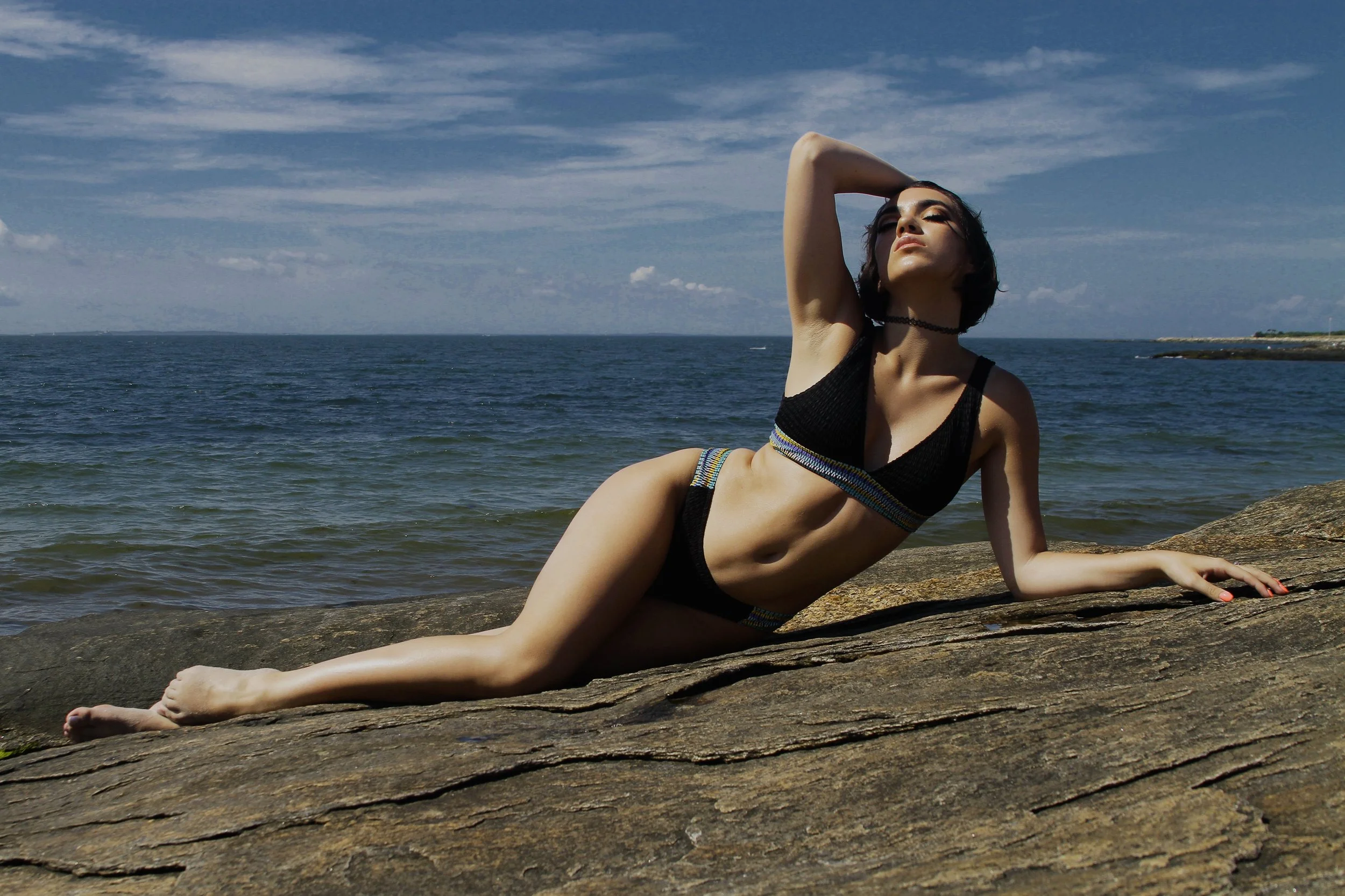
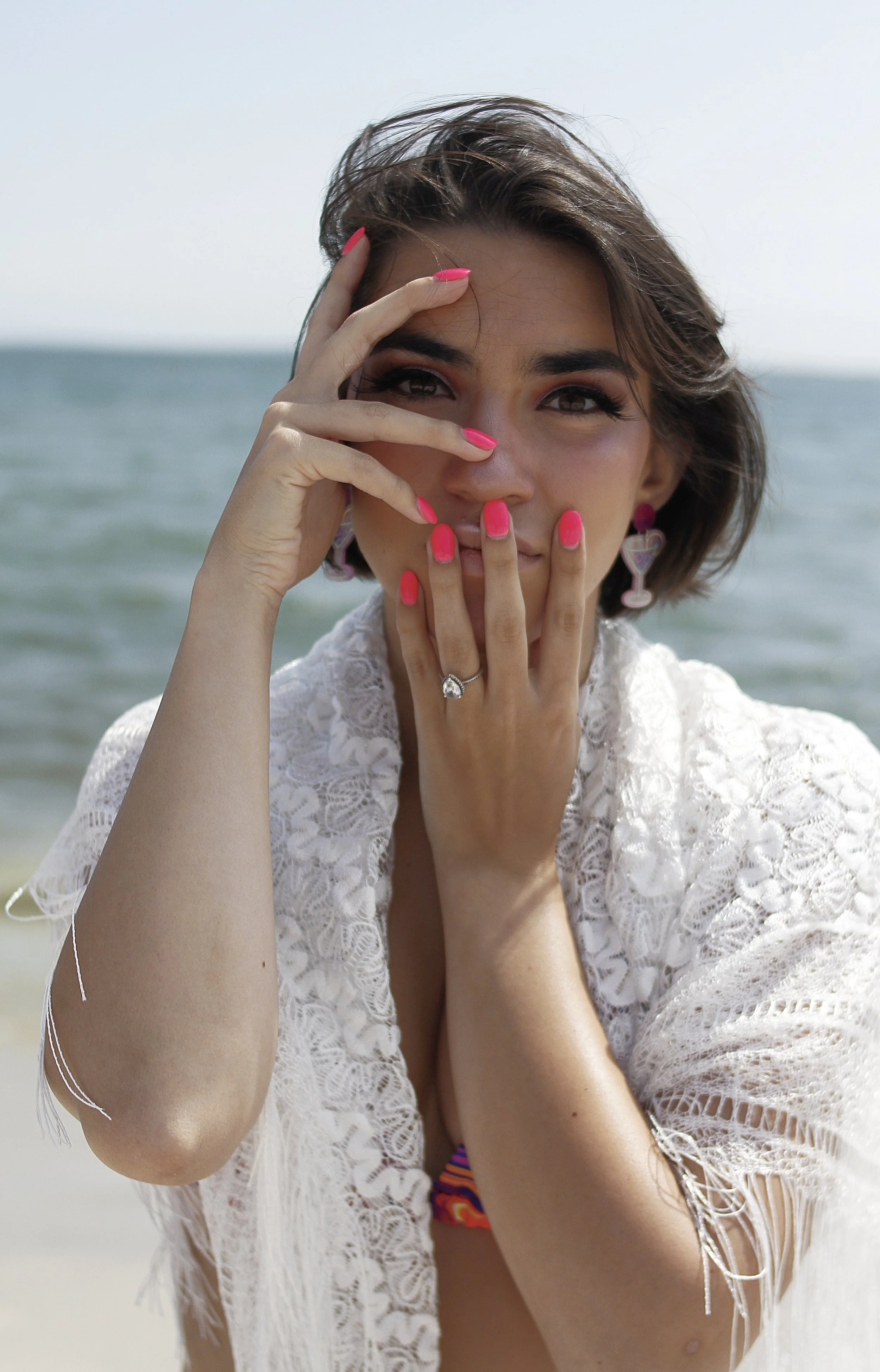
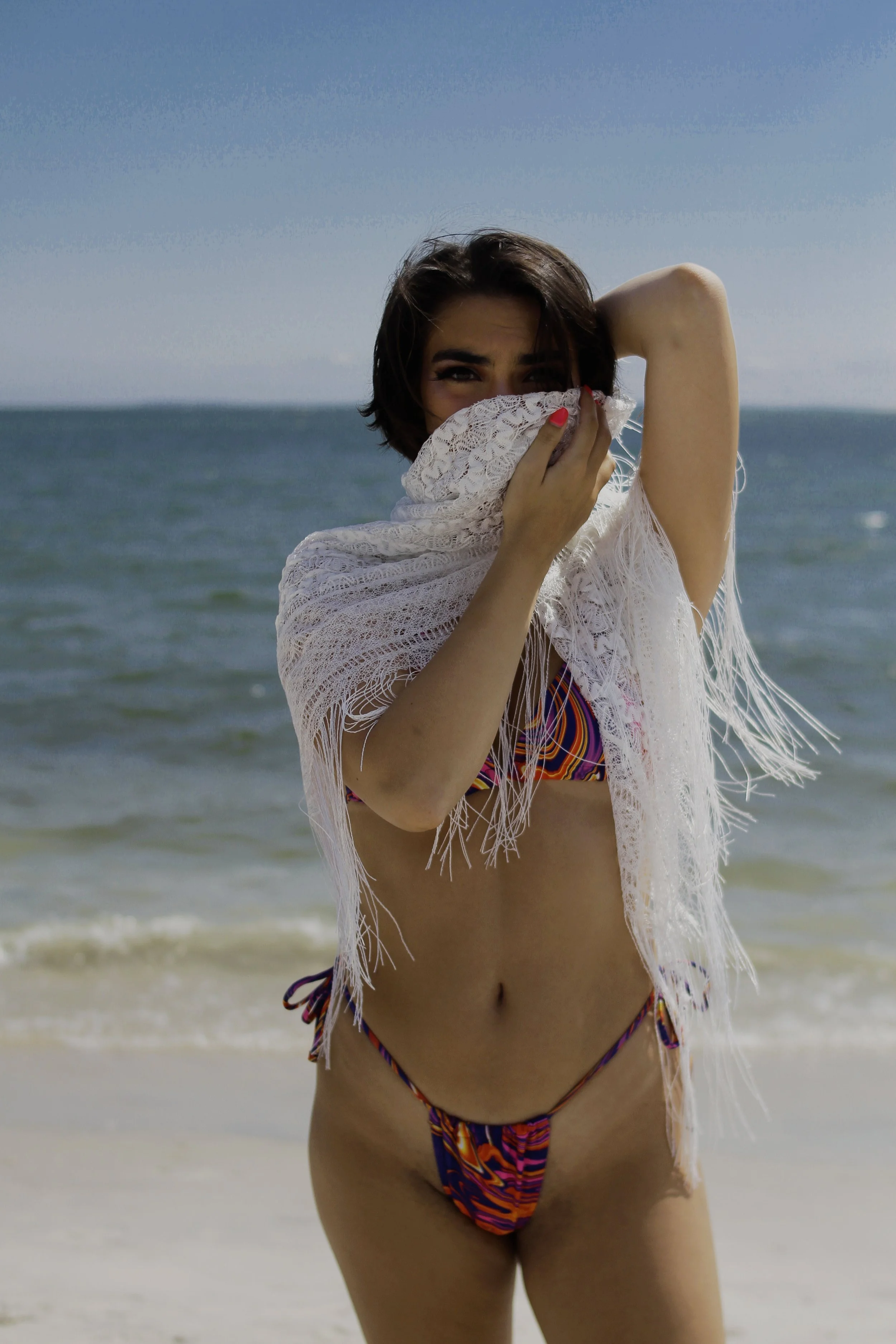
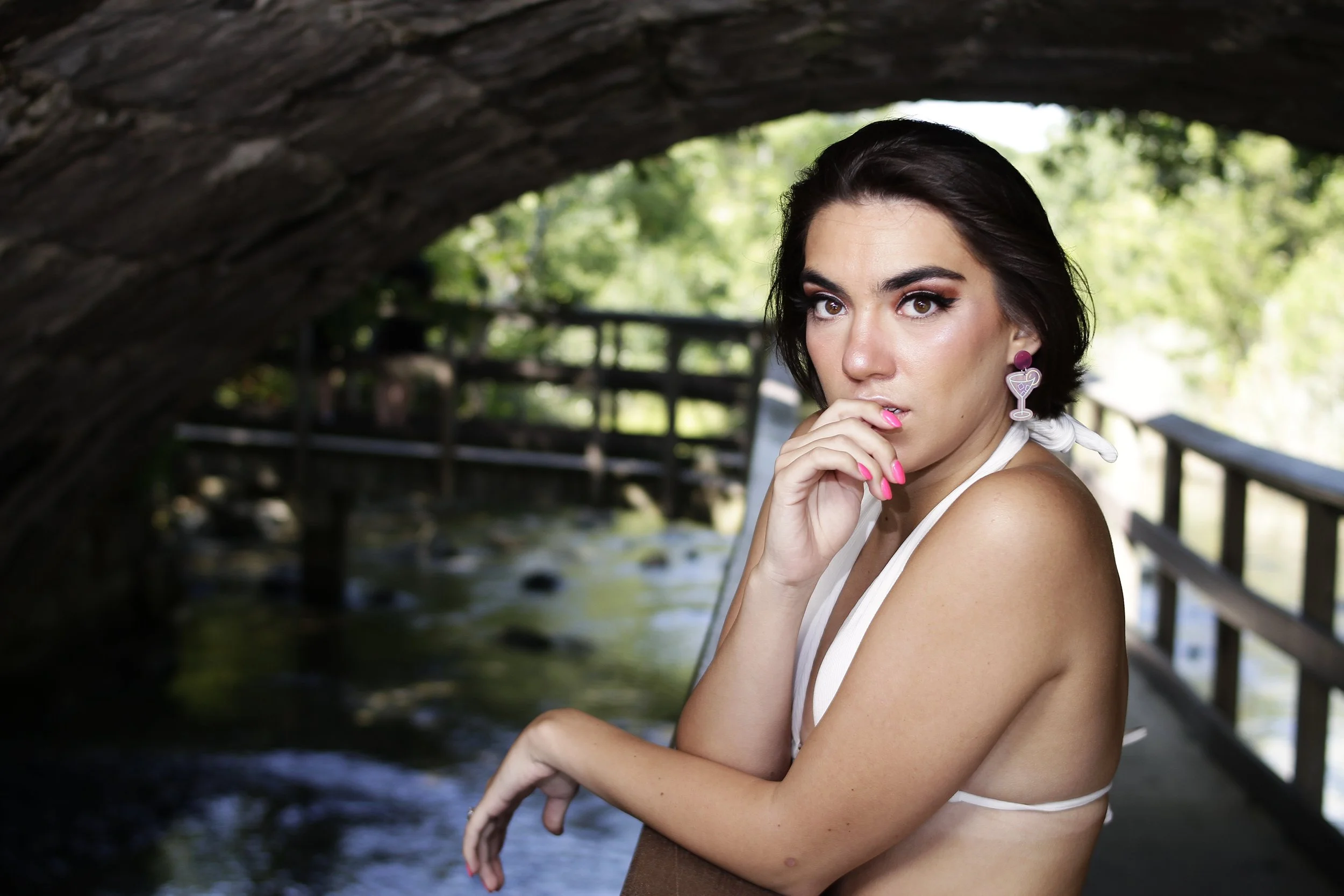
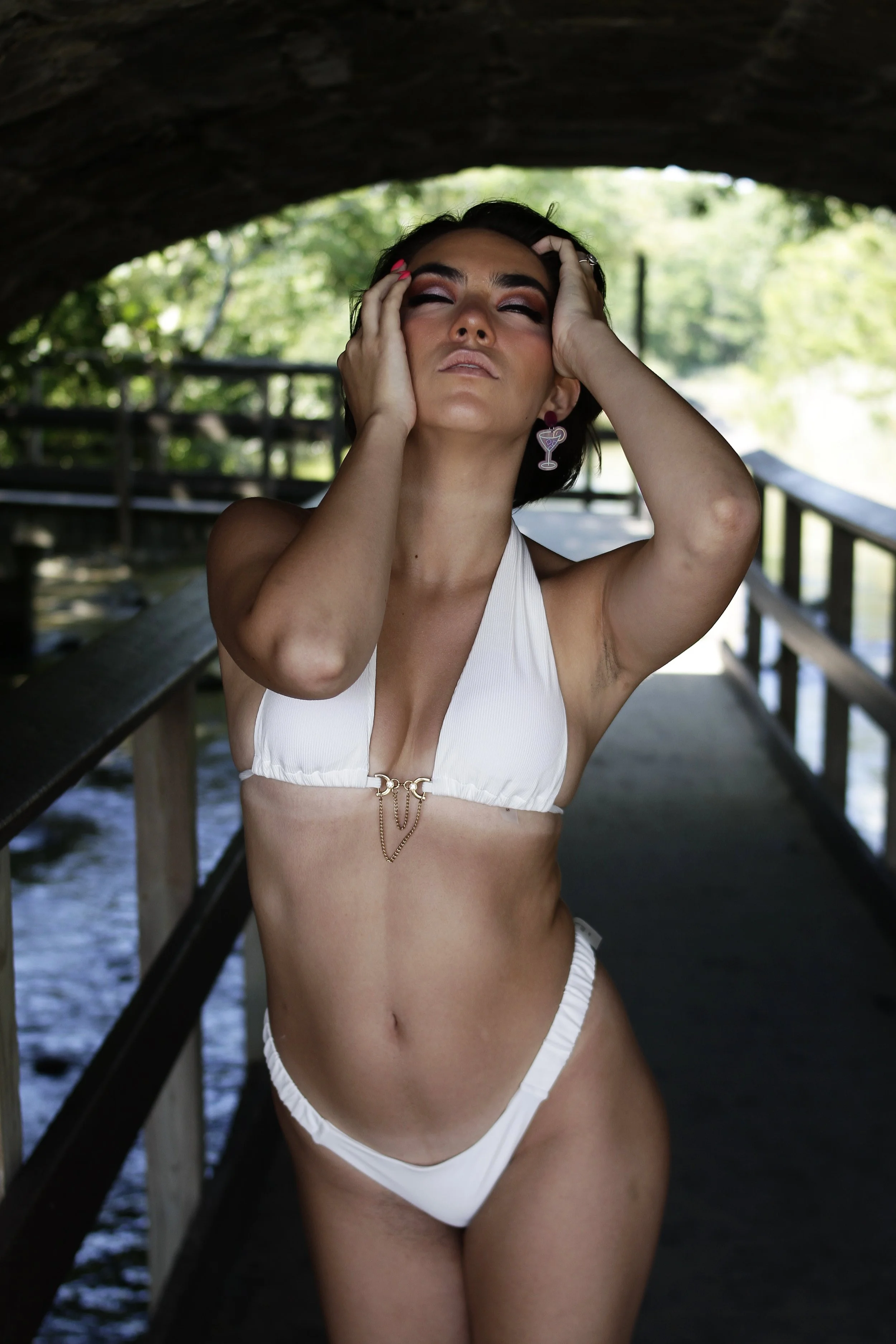
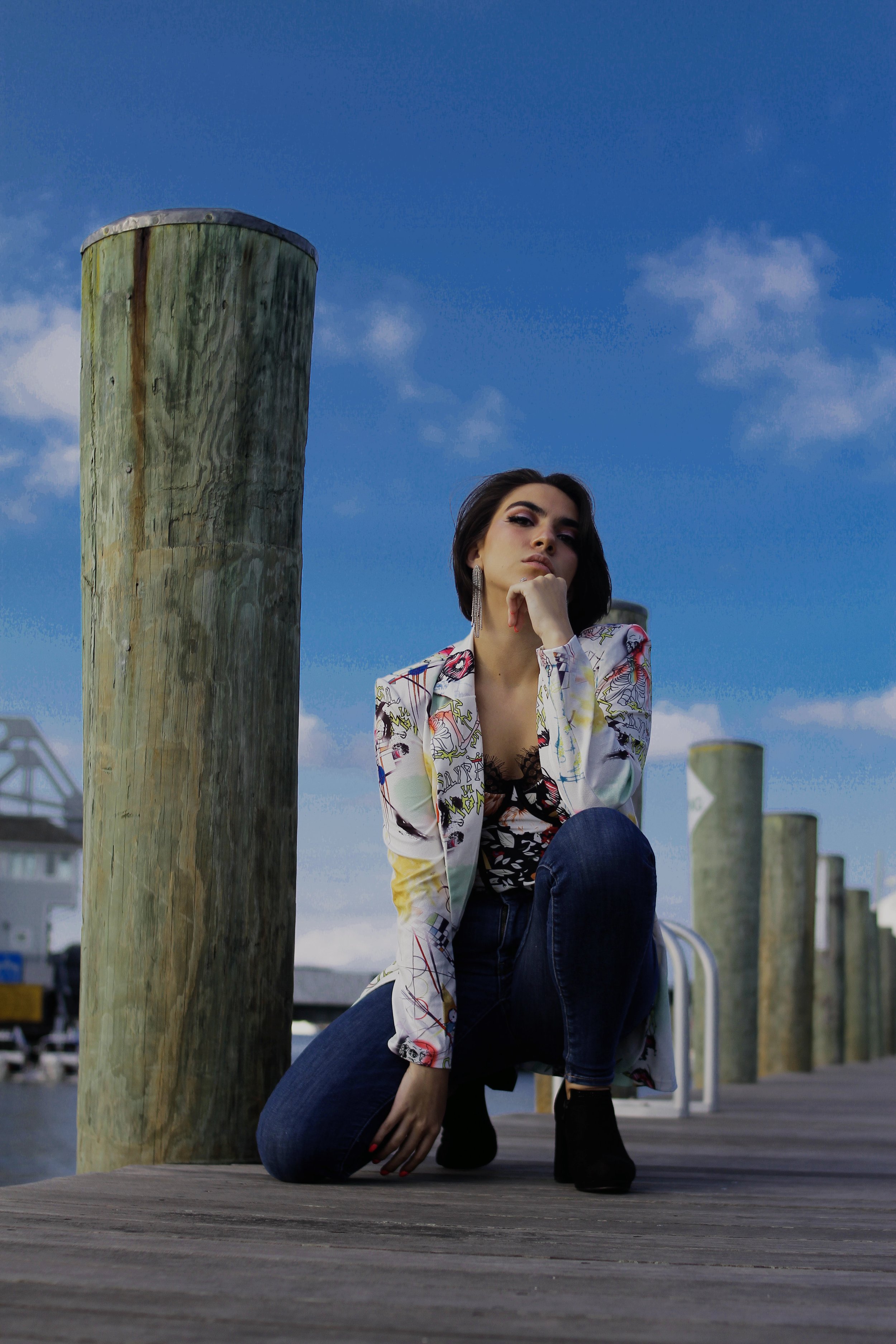
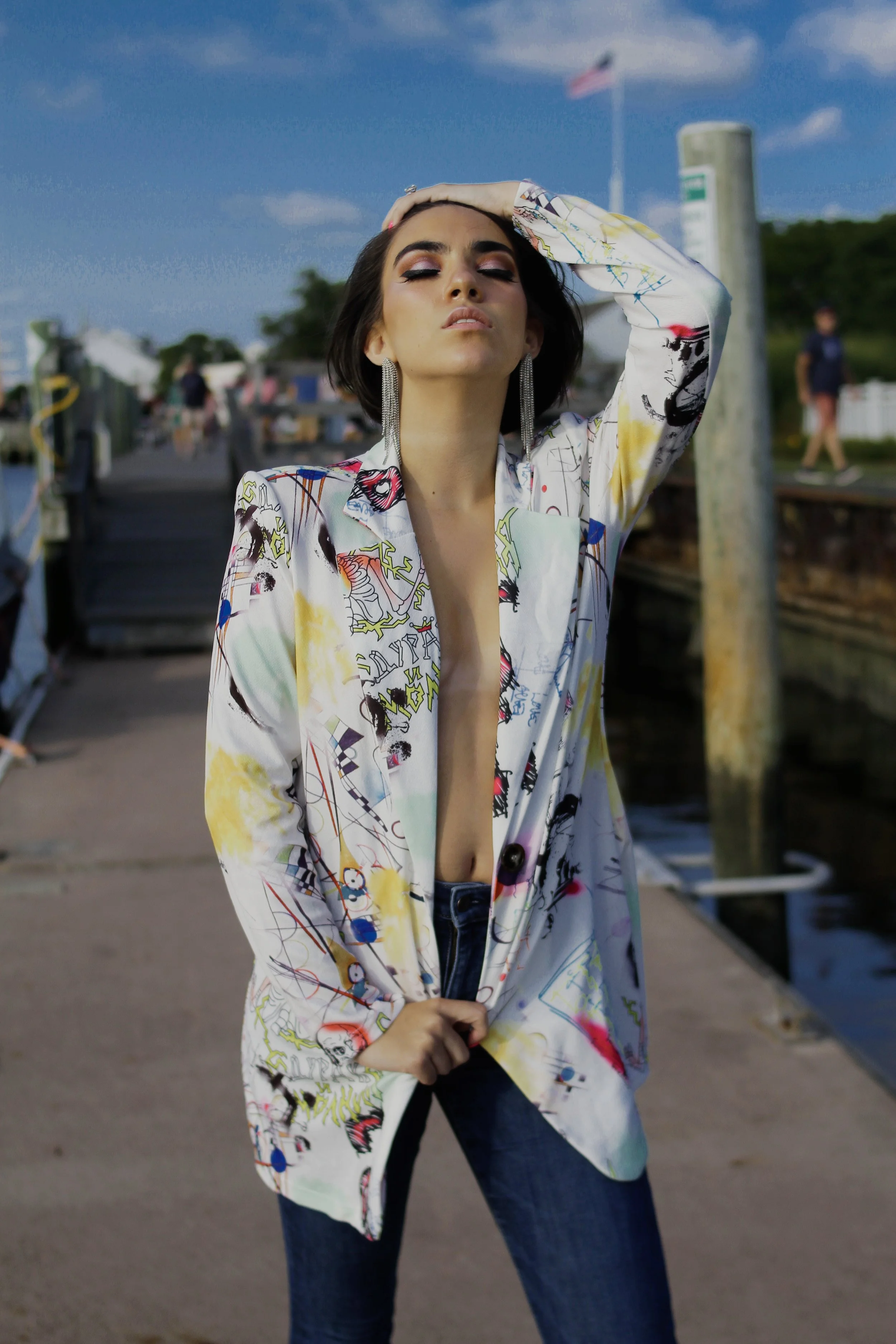
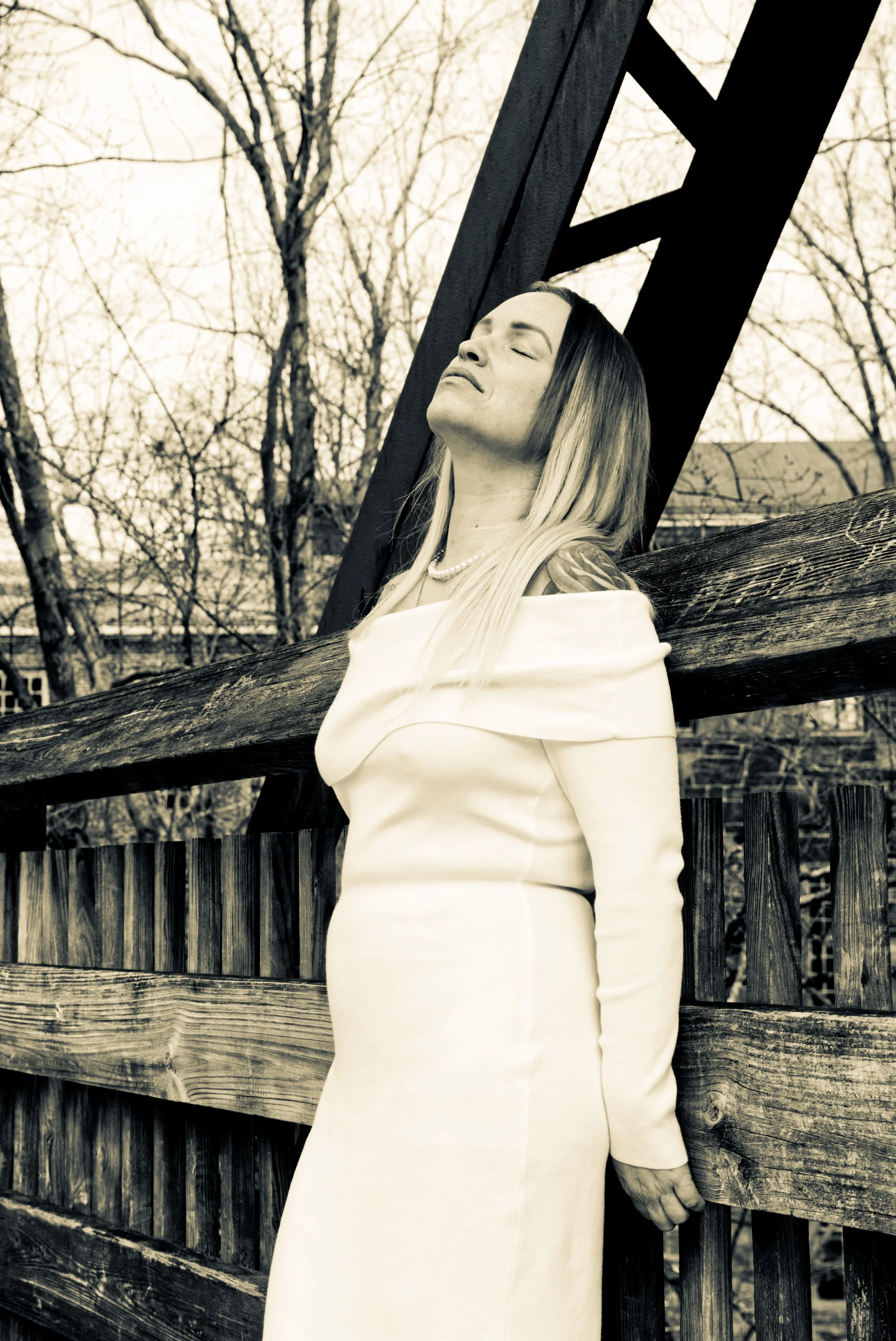
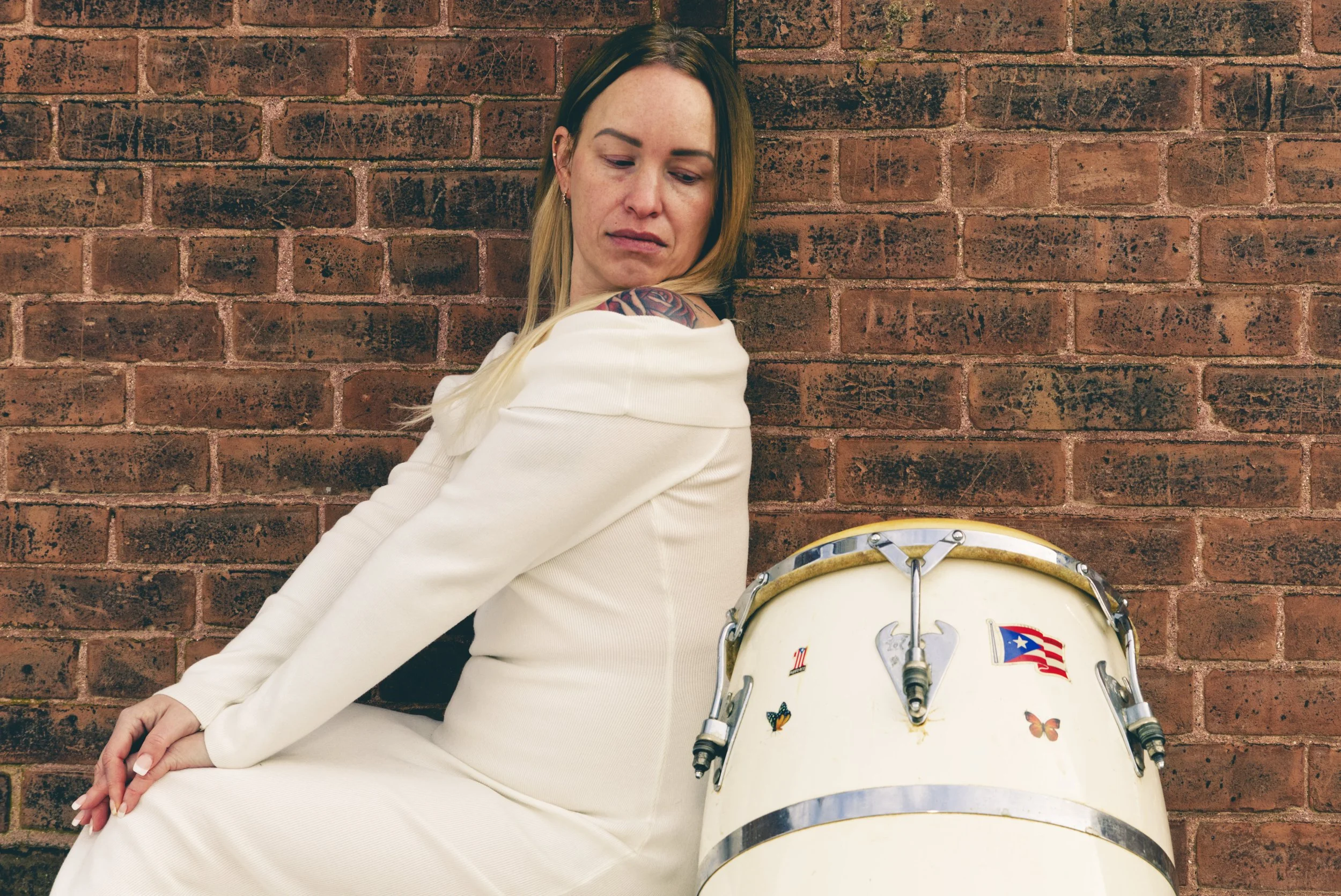
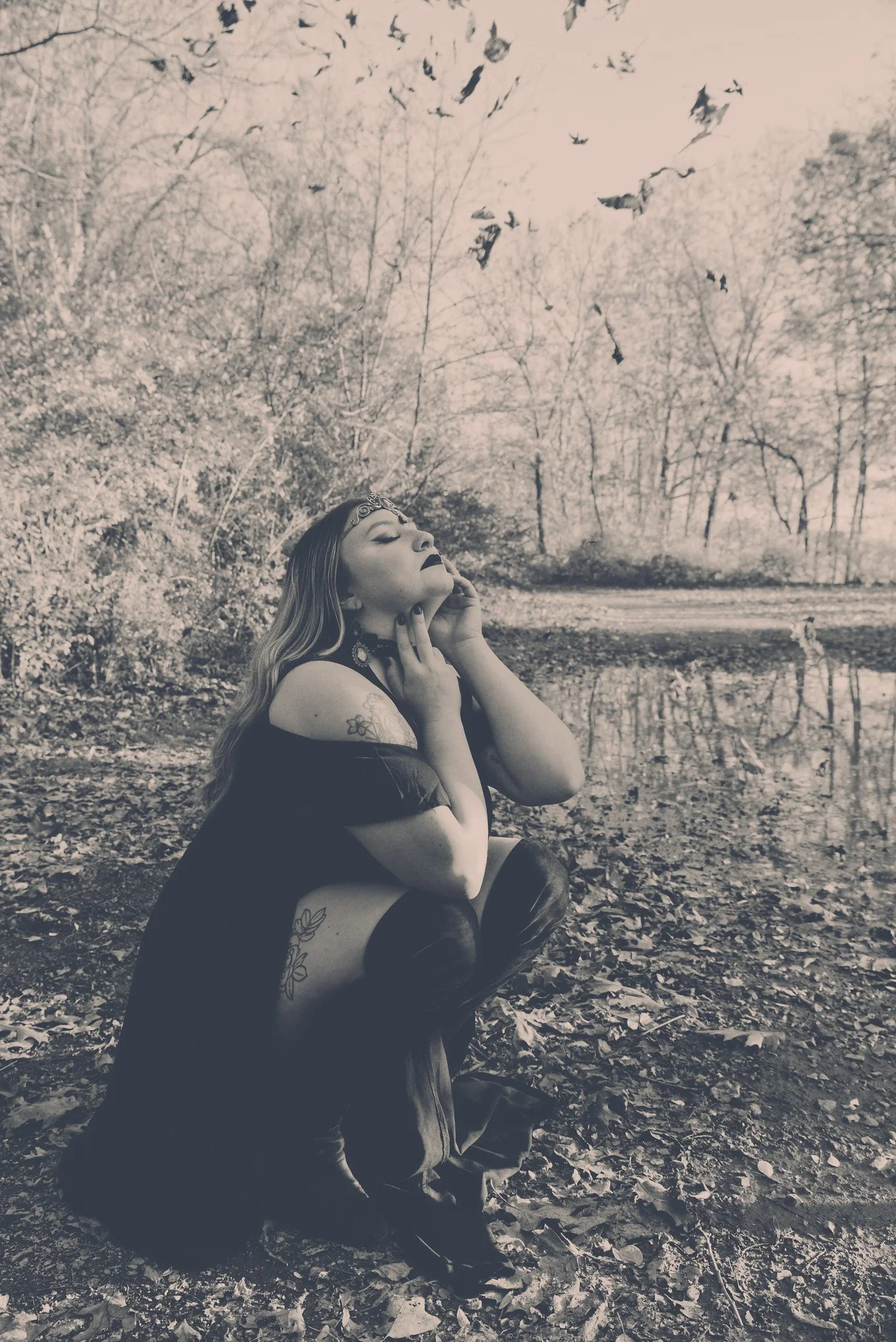
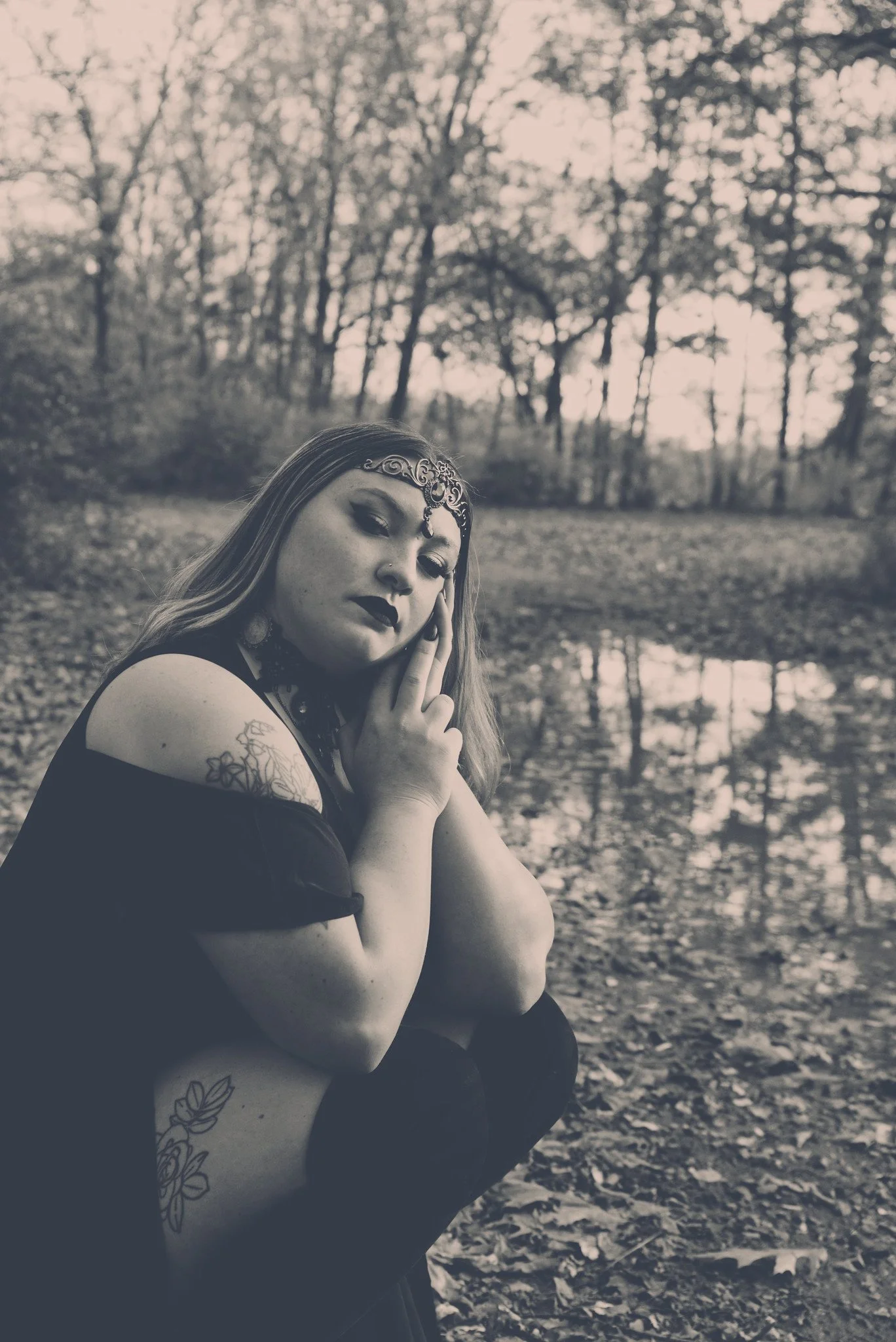
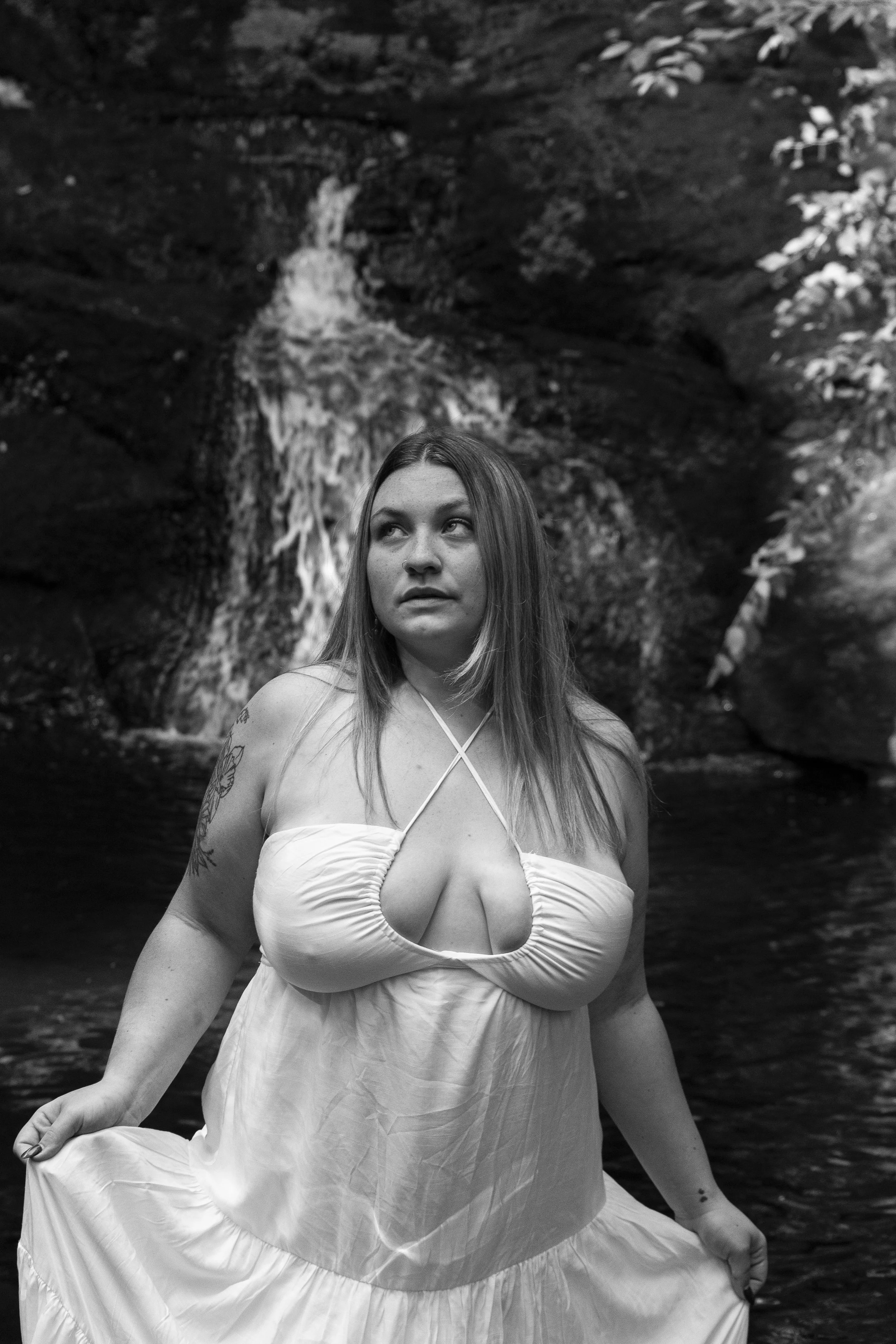
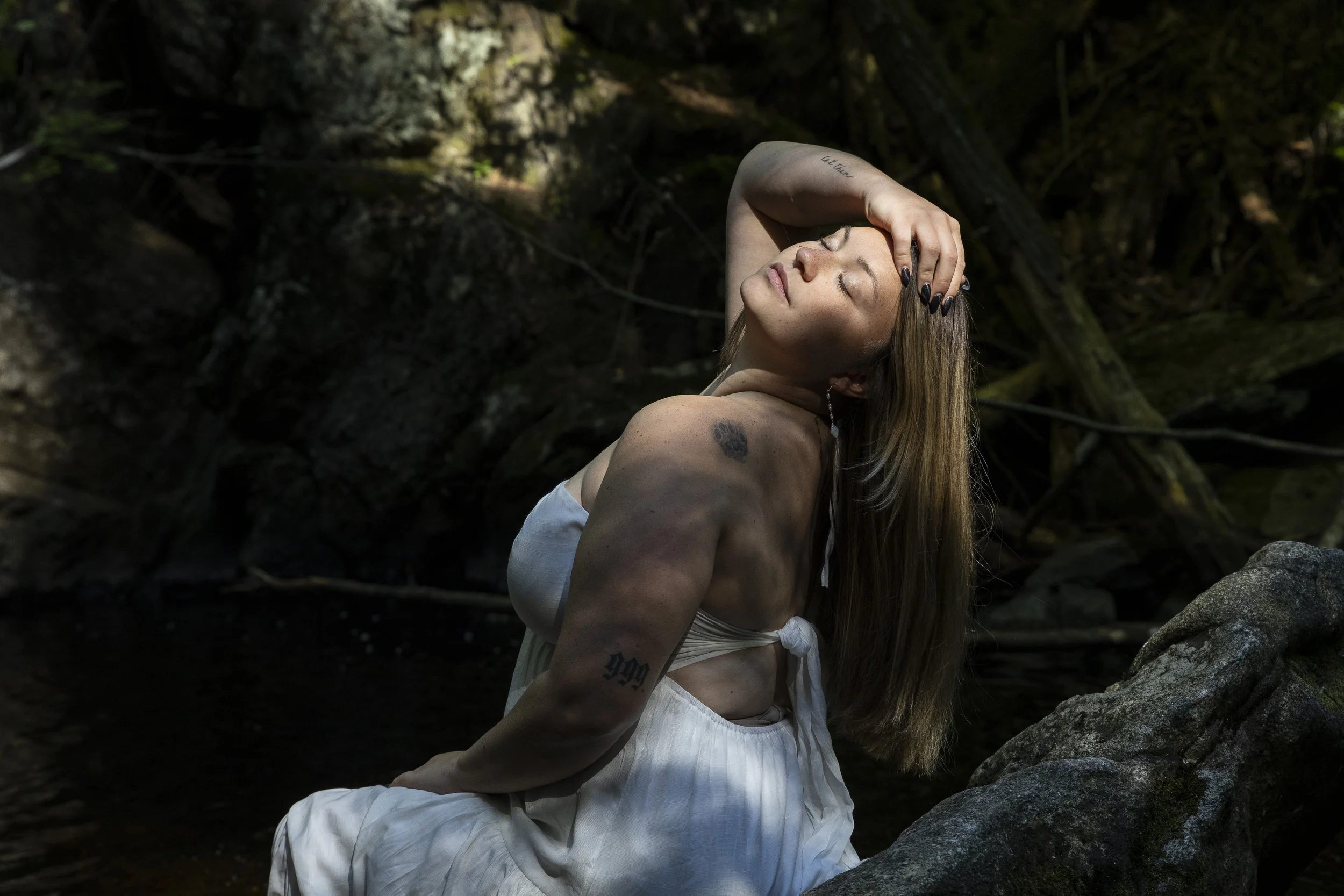
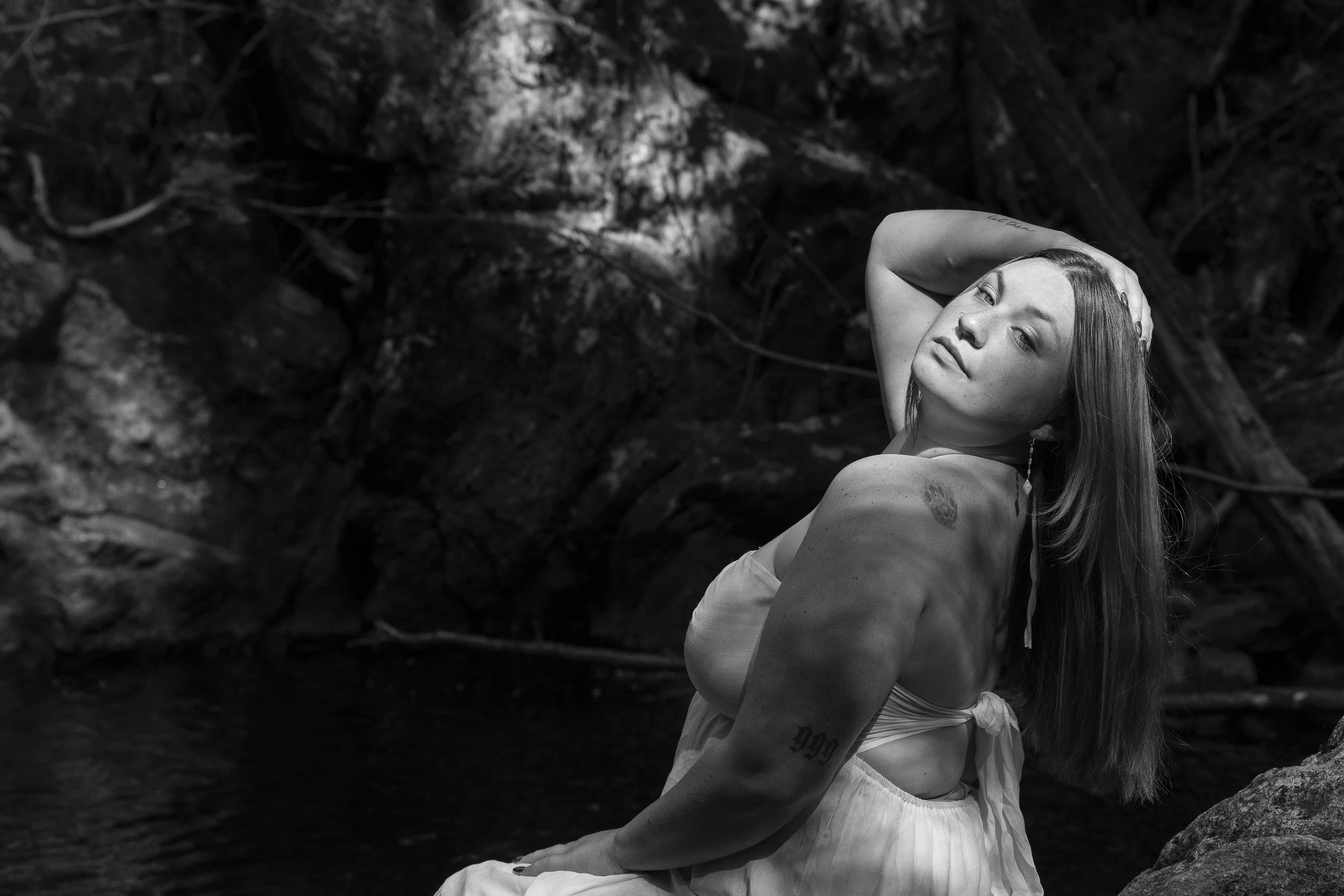
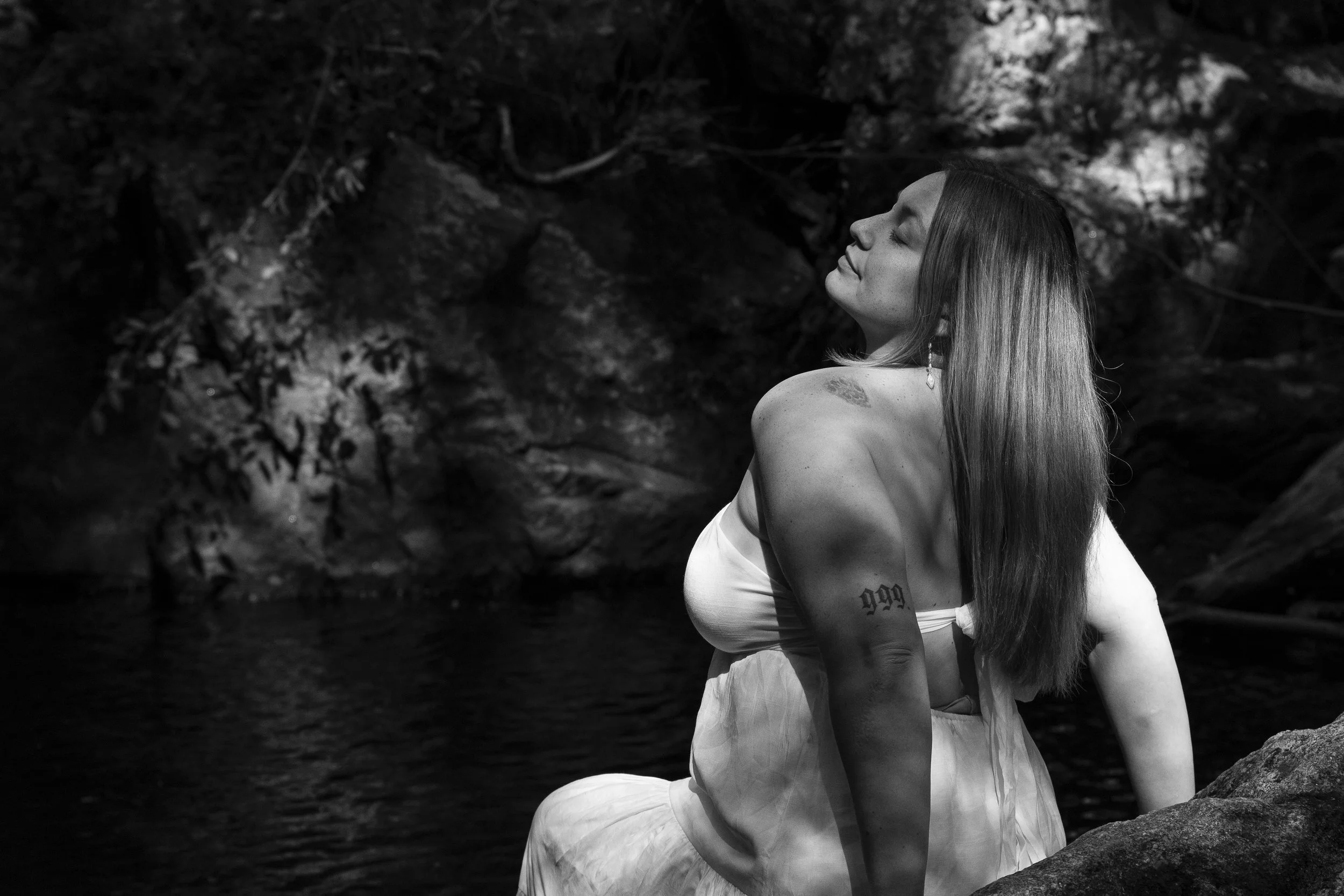
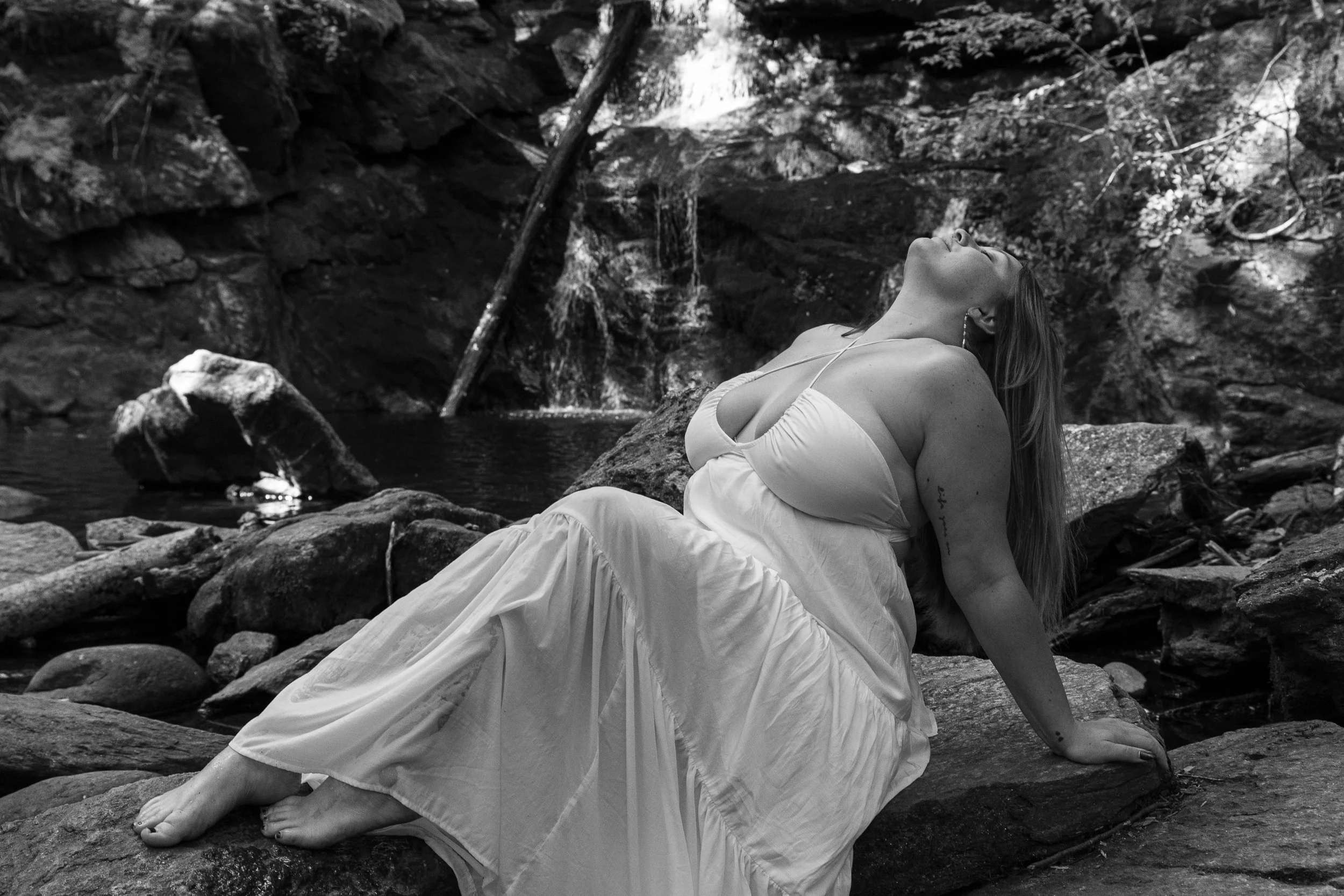
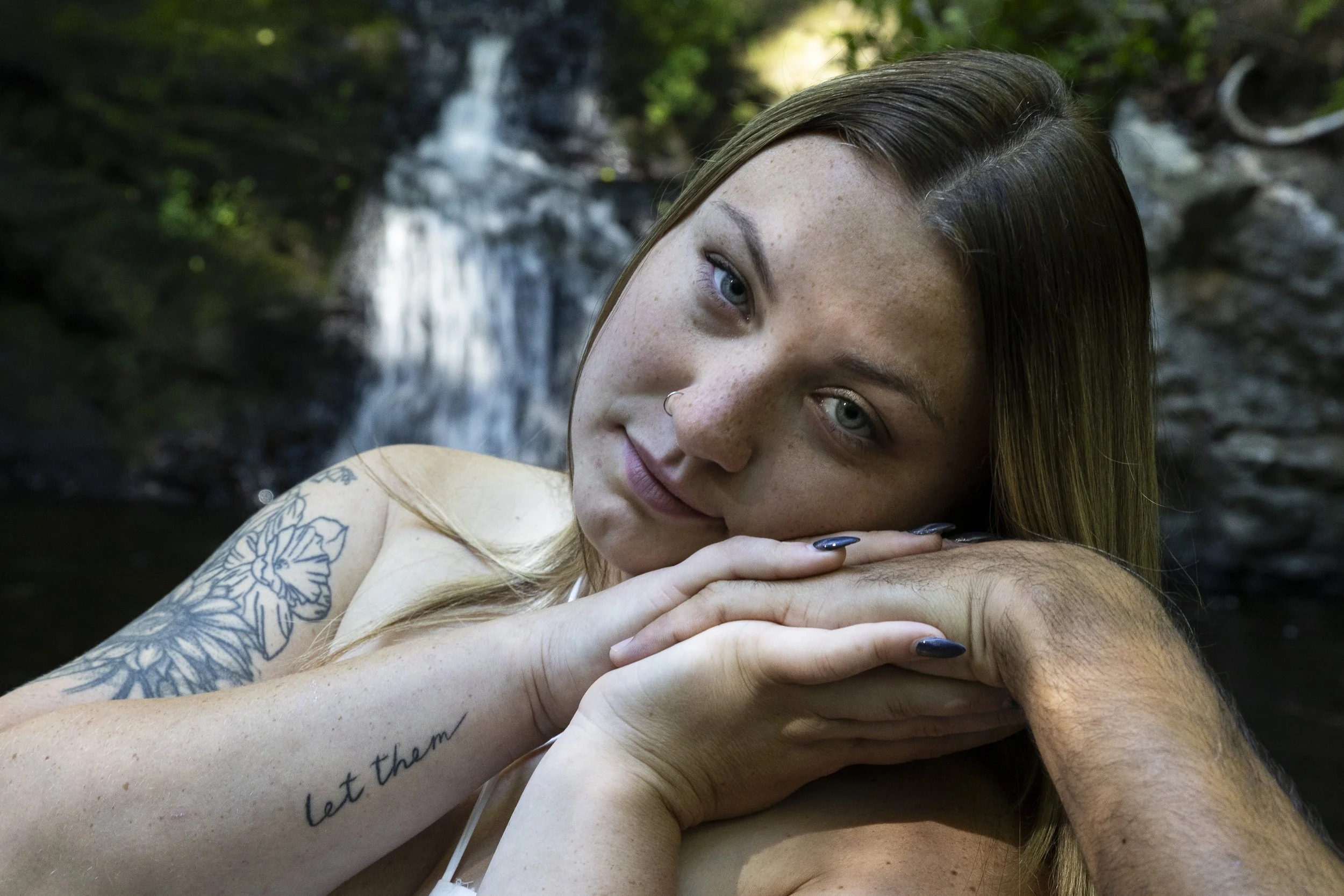
I keep a strict policy in this process: be in constant communication with the model, plan the shoot thoroughly, draft a contract, involve them in the creative process, share the pictures with the model before using them, and notify them (and give credit) whenever I use them.
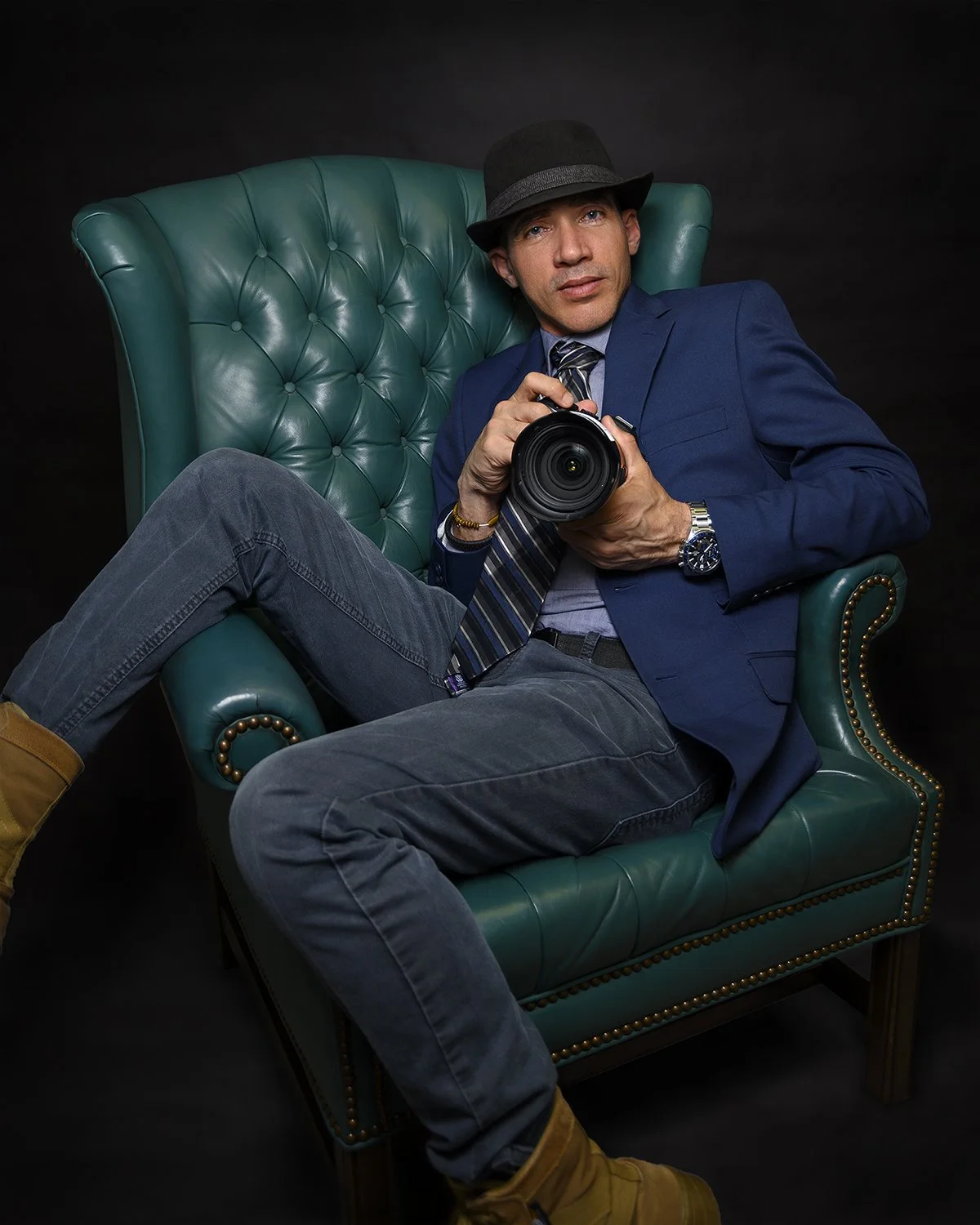
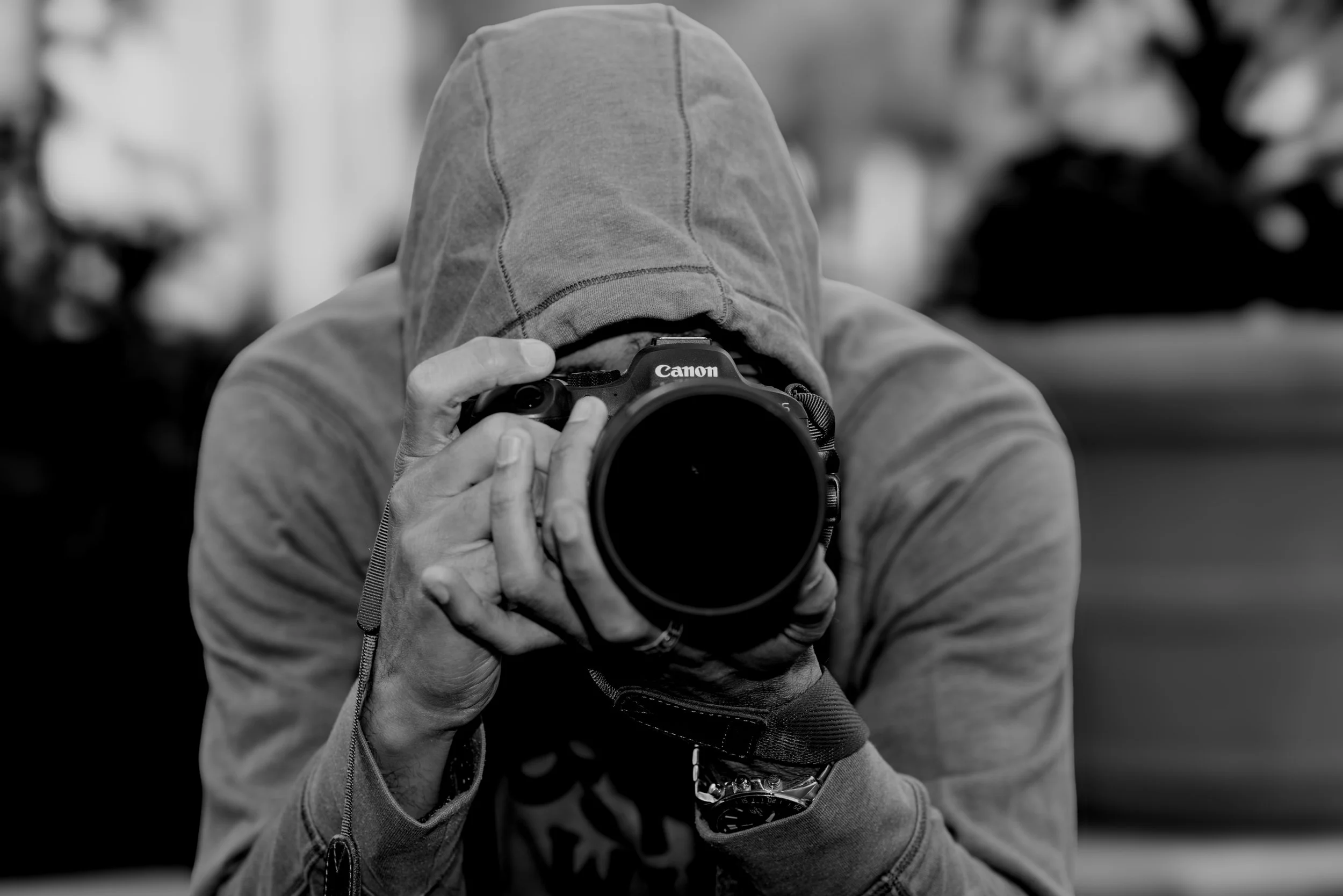
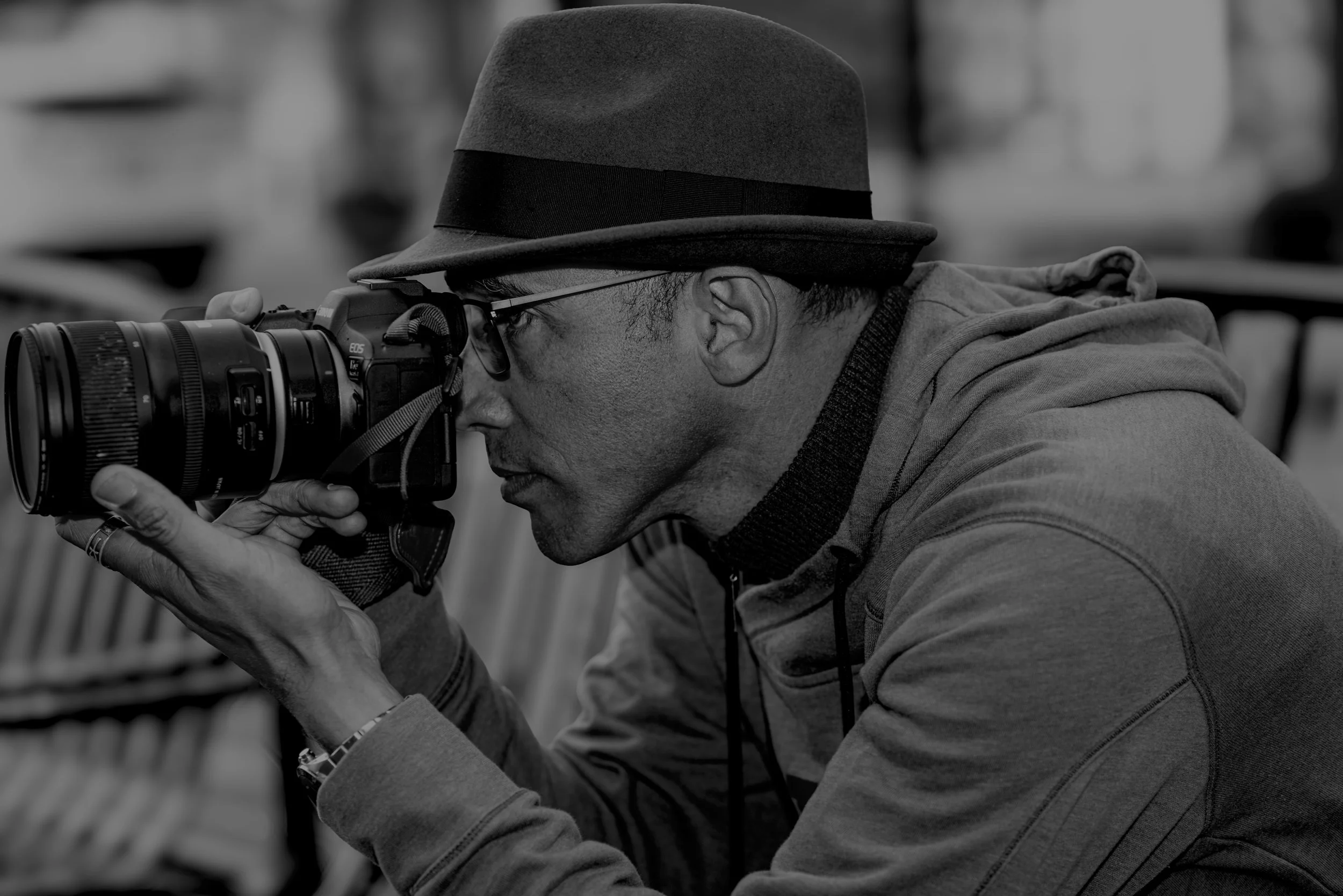
I have also been on the other side of the camera. I posed for Michael Fiedler’s The Working Journal in West Hartford center in late 2023, Matthew Hersey in my experimental studio last year and for Sherrie Ann Stafford a couple of months ago. It has been interesting and rewarding to help other photographers, and also helpful for me, as both Matthew’s and Michael’s pictures are part of my About page.

Final Thoughts
The question then remains: will I continue to do TFP even if I am lucky enough to start making over $10,000 a year on photography? The answer is yes. I will definitely connect with other models and photographers to help them grow, and help myself grow.
My opinion is that those who want to have photos to showcase either their work or their kooks, and are willing to share those photos with the other person making them possible, have a valid reason and all the right in the world to do so.
Many photographers can disagree, and they have all the right in the world to think and feel this way… as those who continue doing TFP have their right to continue to do so.