Photographers: Does External and Universal Knowledge Matter?
Many people think that when you go into photography, all you need to know and learn is how to take pictures, how to handle a camera and all the rules of photography. Among beginners, there is sometimes a trend to just focus on that, and leave other facets of learning and knowledge a little unattended.
Throughout my years in photography, I have only taken three classes, and one of them was a one night workshop on boudoir/nude studio photography.
I was just wet behind the ears with my point-and-shoot Samsung KENOX when I took a five day basic course enticed by my workplace at the time, Periódico ¡AHORA!, taught by Amauris Betancourt. Even though I missed three of the five days—because my very employer, which made me take the course, also gave me assignments that fell on those dates and times—I passed and got a diploma. Betancourt told me that he had already been seeing my work, and the pictures I had taken fell under the guidelines of what he had been teaching.
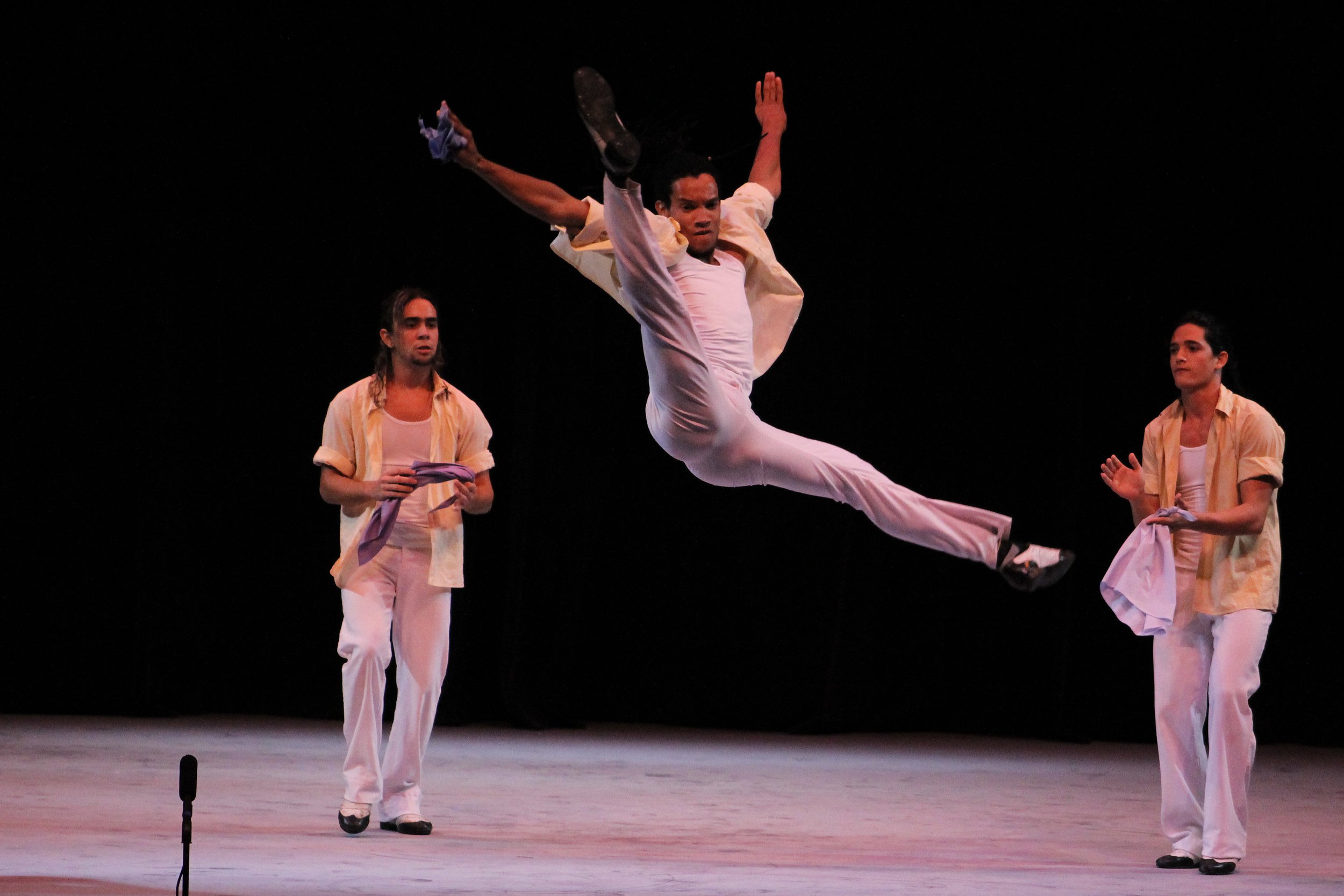
Codanza performance in Holguin’s Teatro Comandante Eddy Suñol. It was relatively easy to take good photos of movement with low lighting and poor lenses simply because I had seen that performance several times.|Credit: Reynaldo Cruz Diaz
However, it took me a few weeks to recover from that “hangover”. Let’s say that, upon learning about some of the rules of composition, I became kind of obsessed to use them all at all times, which turned my photographs into a true mess. It was then that I realized (upon observations from some of my colleagues at the time) that I had an idea of what it was to take a good photo before that knowledge came to me. So I started following my instinct and dropped the obsession I had with the rule of the thirds.
What I do find interesting is how all good photographers I have met have a broad knowledge of other things besides photography. They are all highly cultivated people who can hold conversations of different topics for hours. That is no coincidence: You do not survive on photography knowledge alone, basically because you need to be aware of the rest of the world in order to actually take photos that have meaning and convey a message.
I am sure that I would not have taken half the good photos in my life if I had not study foreign languages and culture in Holguín. Although my six years of university did not teach me anything about photography, I became fluent in the language that I have used to learn the most about photography, as both English is the language of both my top two photographers (Kathy Willens and Jean Fruth). Also, I have read over 97% of the materials I have learned from in English.
I have met photographers who did go to photography school and became outstanding lens professionals. It is important to remark that they are also voracious readers of different topics, which helps them conquer many subject matters and also be more aware of the world around them. Also, most of them have had a sensibility that makes them not only understand the moment they are photographing, but also empathize with the individuals captured on camera.
Of course, I am basically referring to documentary photographers and photojournalists. Yet, other types of the industry, like product, portrait and nature photographers will also need to have that extra knowledge in order to better capture meaningful images.

Out of my five months and way over 1,000 photos in Mexico, this was my very favorite. A lot of things came into play: I befriended these ladies the first time I went to buy food there, I told them who I was and I asked them about the food they were making, I also interacted with other patrons. So, the next time I visited, I concealed my camera under my jacket and after a brief conversation I asked them if I could take their picture while making their tortillas. They agreed to it and to ignore my presence as I did it.|Credit: Reynaldo Cruz Diaz
Let’s say, a wildlife photographer will not be good only because they know photography: they need to understand the behavioral patterns of the animals they are trying to capture. A portrait photographer will need some anatomy knowledge in order to make the person they are capturing pose for a better look, but it also helps to know a little bit of the person. A landscape photographer will definitely have to understand not only the terrain, but also weather patterns so that they can make those Ansel-esque pictures people love to hang in their living-rooms. A sports photographer will not be able to produce nice compelling images if they don’t know and understand the sport they are shooting.

This will always be my favorite photo taken with the Samsung camera (the first I ever owned). Knowing the sport, it didn’t matter that the camera I was holding was a point-and-shoot Samsung KENOX S760. What counted was my timing and some luck, as Pedro Poll hit his only homerun of that season in the image right here.|Credit: Reynaldo Cruz Diaz
I believe, though, that things go way beyond that. Having external and universal knowledge will enable to spot and photograph the politician in a sports venue, the athlete in a Hollywood event, the actress in a protest rally. Having good verbal communication and social skills will help you relate to and connect with a subject you are photographing, whether it is a formal portrait session or a more candid capture.
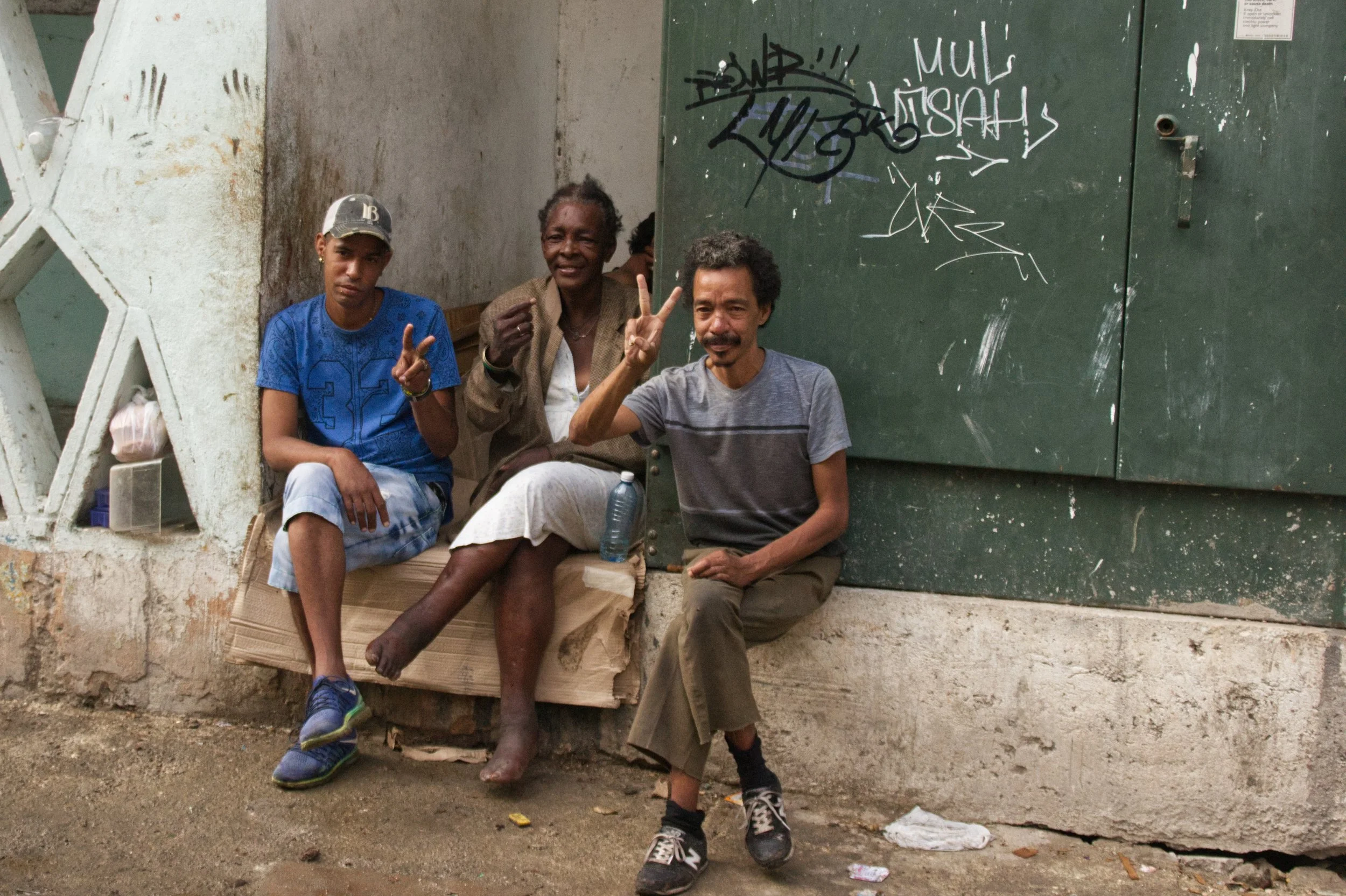
Three people in Central Havana pose for a picture while drinking on the streets early in the morning. I understood their behavior, their struggles and their lives. I also had empathy, which led me to not only have a friendly interaction, but also to photograph them openly.|Credit: Reynaldo Cruz Diaz
While having a coffee with my friend and fellow photographer Michael Fiedler, we discussed some of that. We both agree that you can study photography to become a great photographer, but sometimes the knowledge of history, society, culture and other things will weigh more at the time of taking a good picture.
After all, one of the biggest assets of a photographer is to care… and oftentimes, in order to care, it is necessary to know and understand.