Canon EOS RP: Reasons for You to Buy
Having used cropped sensor DSLRs most of my life, getting a full-frame camera for me meant a double jump. I was not only jumping into full-sized sensors, but also into the mirrorless universe. Due to finances mostly, I decided to go for the most affordable option at the time, and chose the Canon EOS RP.
The minute I tested it, I fell in love with the mirrorless universe. Although I made two major downgrades from the 7D in shutter speed and burst rate, I gained a lot in sharpness (26.2MB, against 18MP) and quality. The lightness of the camera (485g on the body, against 860g) was also a plus, even with the added weight of the adapter (I am yet to own a native RF lens).
Available for purchase in March 2019, this camera had, in my personal opinion, very good ergonomics. Due to its lightness, it is an almost ideal camera for travel and street photography, since it will not be as bulky as other high-end full-frame bodies, and will definitely be much lighter.
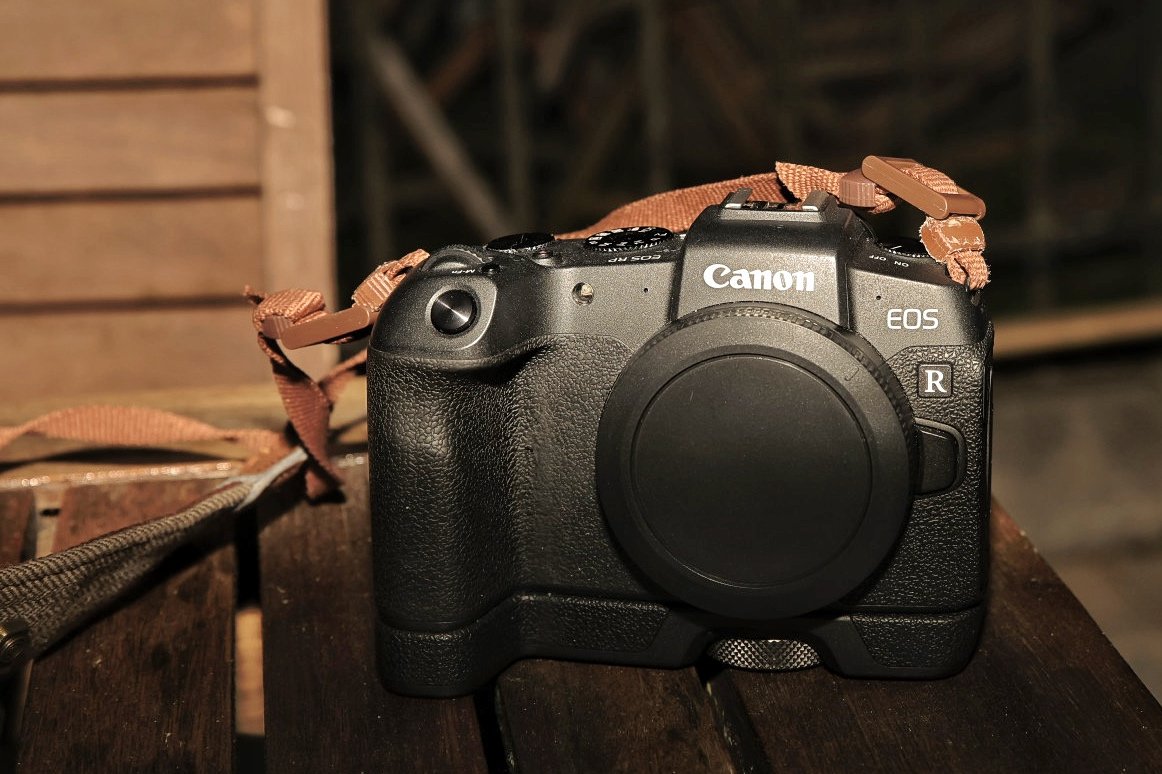
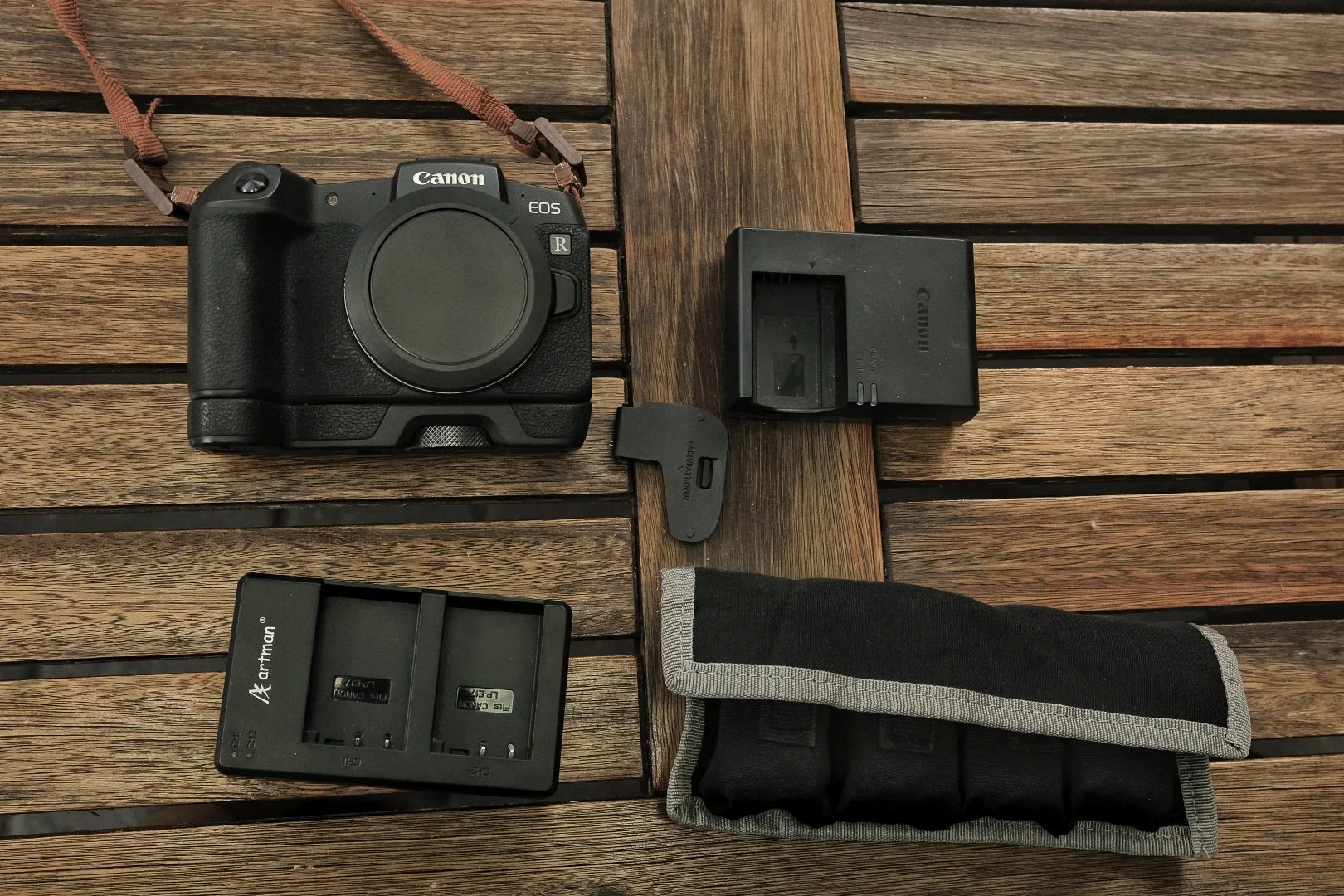
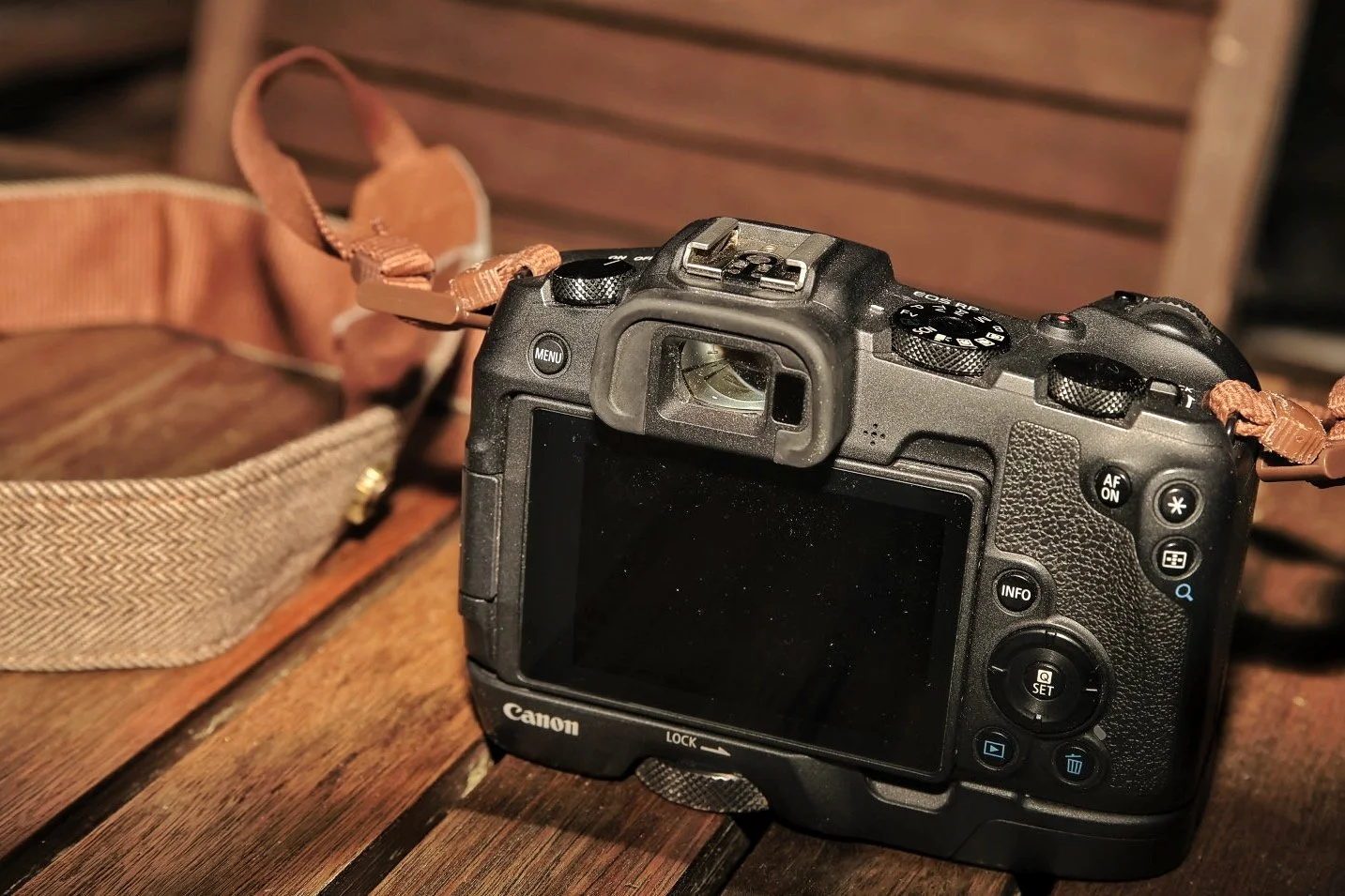
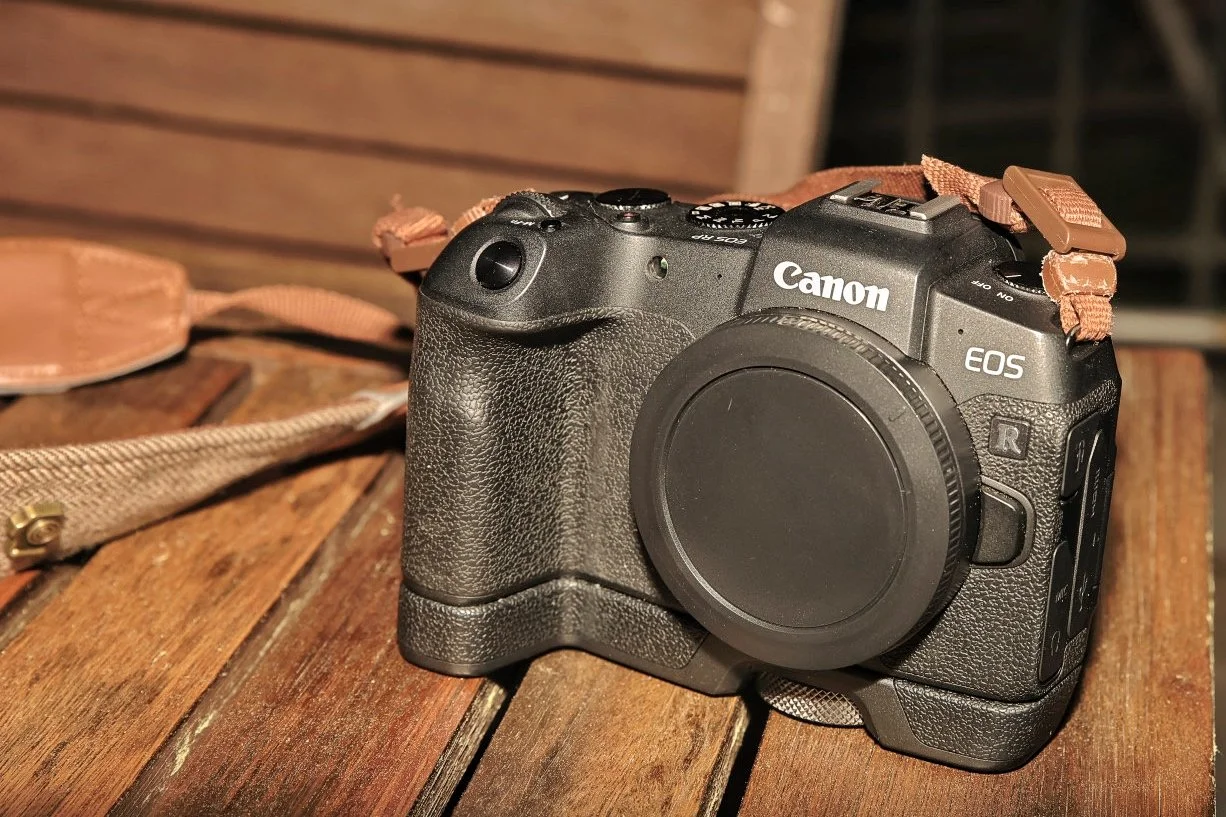
The size, which in my case was a “con” because it was too small for me, can be fixed by adding a Canon EG-E1 extension grip, which didn’t add too much wight and kept my little finger from losing grab.
What I didn’t like
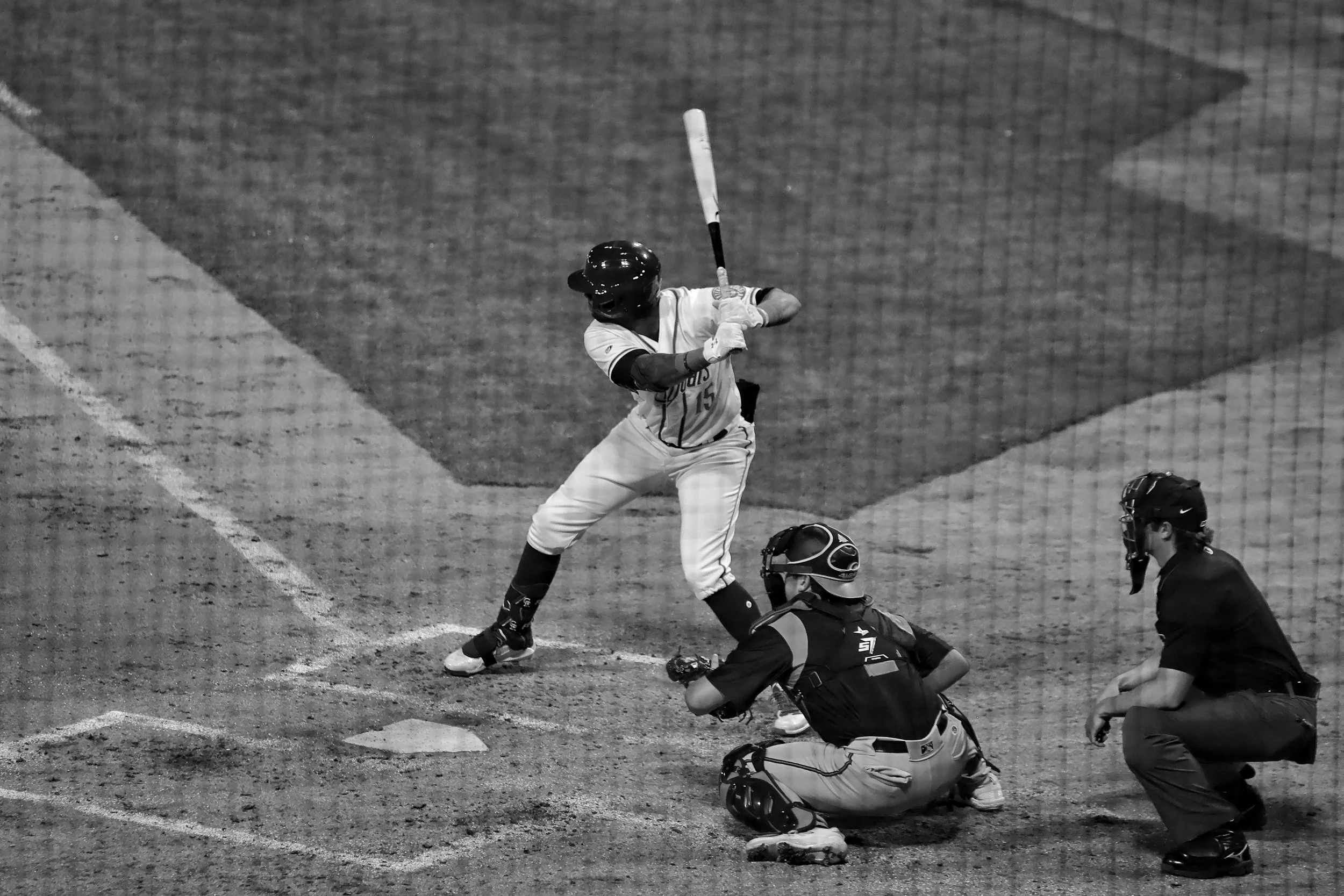
From the very get-go, I knew I was going to struggle when it came to photographing baseball. Despite the quality of the camera, its focusing speed (probably because I didn’t have native lenses) was not the best, and shooting at 1/4000s with a 5fps rate felt like a step back from the 1/8000s and 8fps that I had previously had with the old 7D. Also, we need to take into account that I never got to shoot with a native RF lens, which makes it a little slower than it would normally be.
So, I knew that it was not going to be my best friend in that aspect—I did manage to shoot a couple of baseball games, though.
The other problem I saw was the duration of the LP-E17 battery: even though it is listed at 210-250 actuations per charge, it gets easily worn out. Third party batteries will die even before the first use after charging, and also without warning (the low-battery icon only displays with native batteries). As someone who doesn’t turn the camera off while out and about, I struggled even more. To make matters worse, if you took a photo and the battery died at that time, there would be no way for you to save that image on your card.
The SD card slot is located exactly on the same compartment as the battery, which will make you have to open the battery door to change cards. That is a minor nuisance, but can become a longer process if you happen to add a battery grip to your RP.
Also, by not having a protective shutter, the sensor would be exposed while changing lenses, which to me was the negative factor that would carry the most weight for people. Any dust particles could go into the sensor and stay there. However, I have always been cautious while switching glasses, and have avoided doing it in certain conditions or environments—I have my experience living in Cuba for most of my life to thank for that.
What I loved about it…
I was not shooting so much baseball at the time, so the shutter speed and the burst rate became secondary. I was more interested in testing the waters of the full-frame and the mirrorless universes, and the RP became the ideal choice for me. Its affordability, being the cheapest full-frame mirrorless Canon camera of the R series at the time (currently retailing for $1,049 brand new and between $500 and $1,000 used, depending on its condition), was what led me to buy it in the first place.
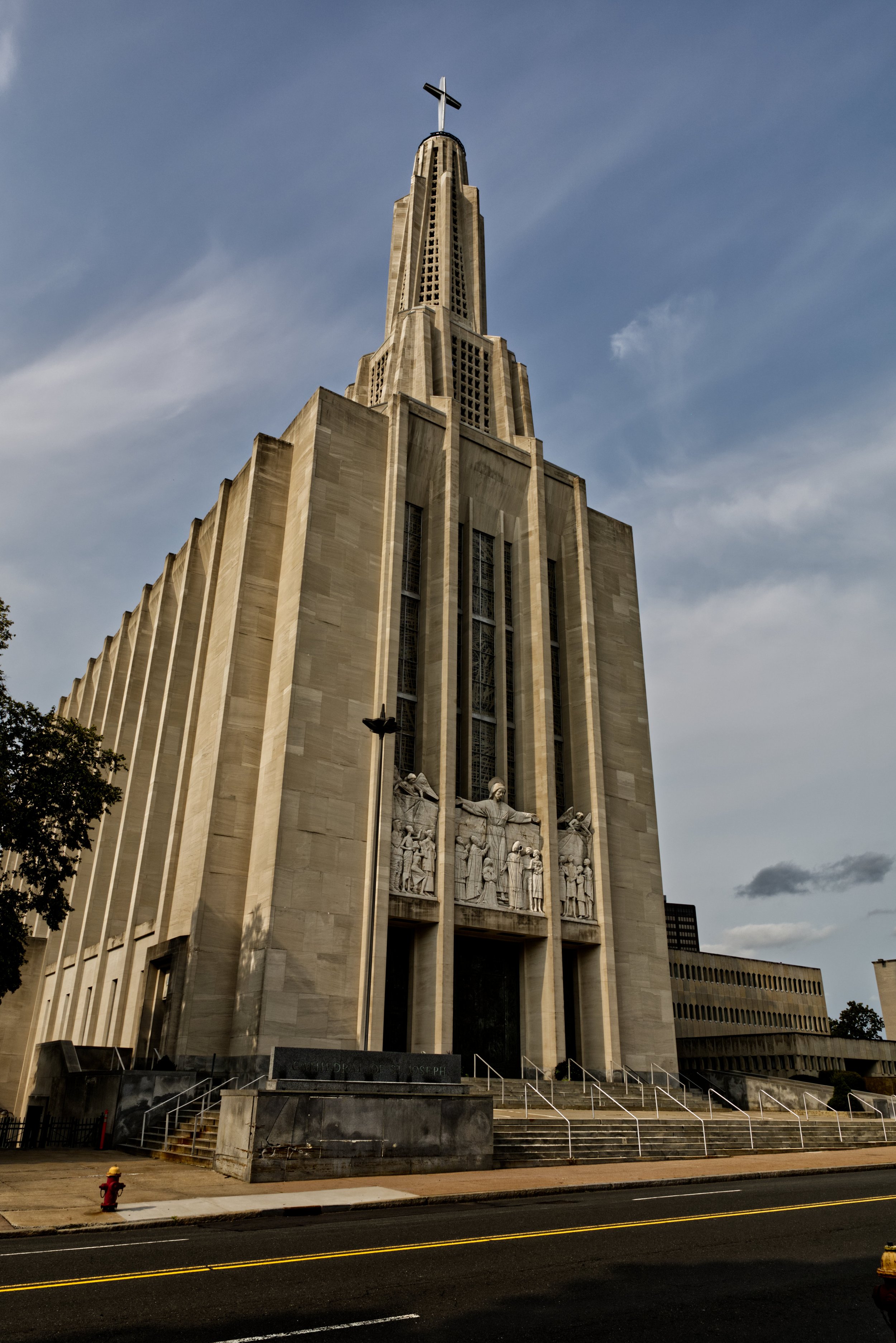
The first pro that I experienced was that navigating streets and events (which were my most common gigs) became way easier than with the 7D because of the weight and compact design. Add to that using the nifty-fifty lens or the Yongnuo YN35 35mm f/2 and you have a powerful full-frame camera that is even lighter.
The CR3 RAW format was lighter in size and with faster download and processing capabilities than the CR2 in DSLR Canons. O course, smaller file sizes equal capacity to store more photos in the SD cards. Some people don’t know or think about how important storage is for photographers.
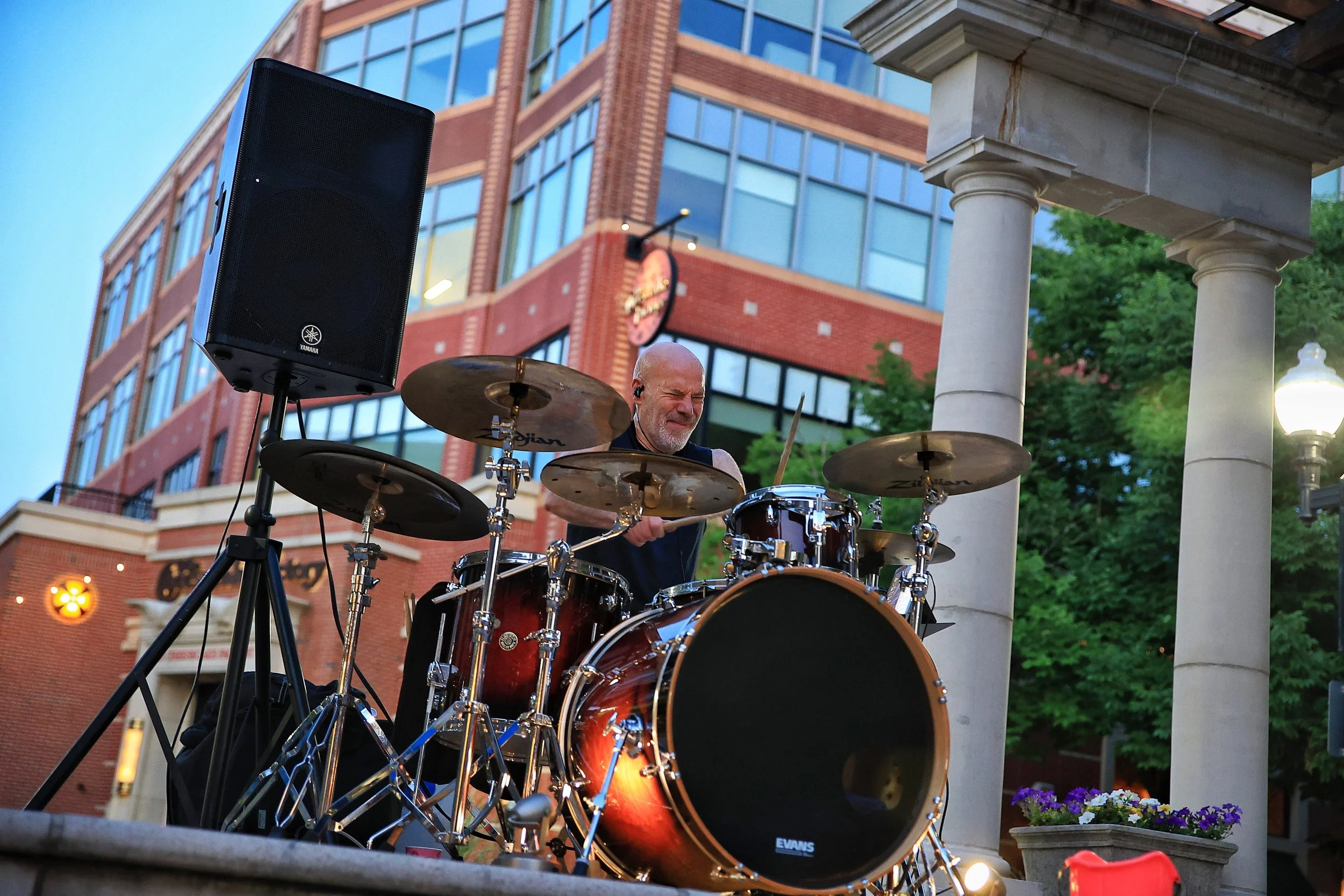
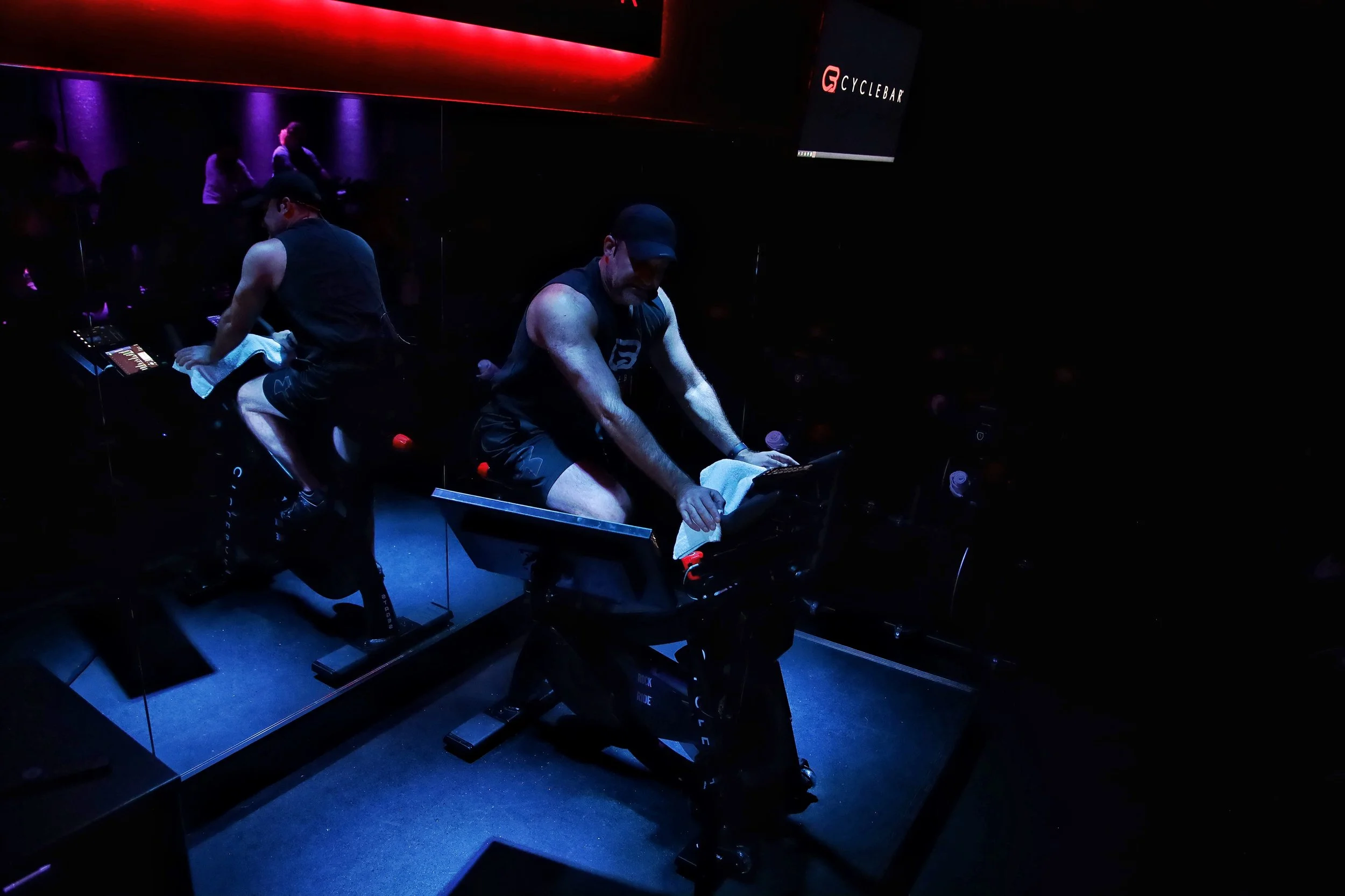
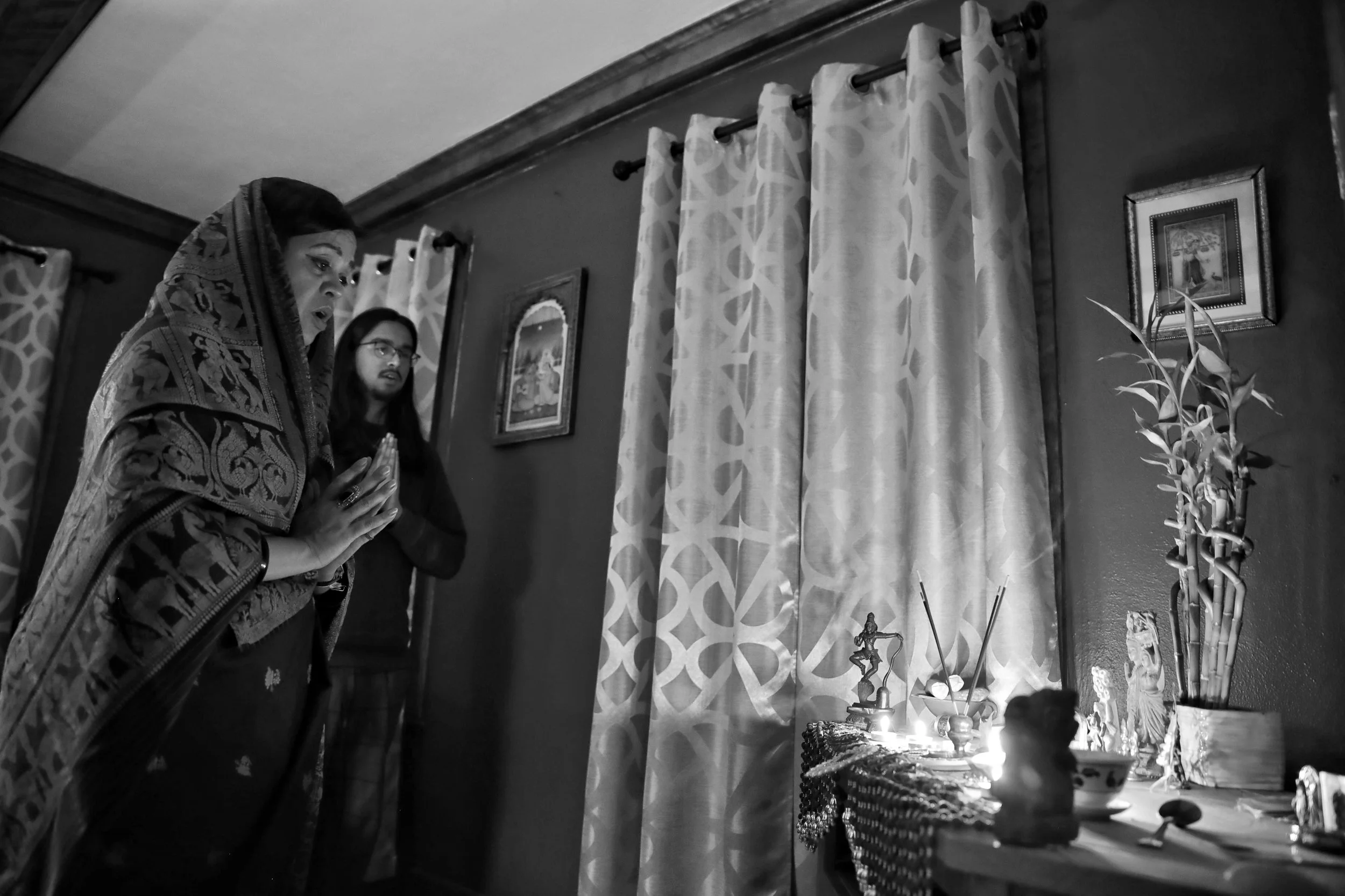
I photographed for the short-lived newspaper The Winsted Citizen, completed an assignment for the Hispanic Health Council, photographed events for them and Real Art Ways, did a full 24HourProject, and witnessed my first ever concert of a Cuban band in US soil, when Cimafunk visited Hartford in the summer of 2023. Also, I did a couple of branding experiments, shooting the kitchen and the line at the restaurant I worked for and a paid gig at Cyclebar West Hartford..
So, for the time, and for what I was doing at the time, the EOS RP was the perfect fit. I had no need for a high speed camera, but the quality of image at high ISO settings was way better than that of the 7D. Also, the wireless transfer possibility meant that I no longer required a cord or the removal of the card—hence I had no need for an adapter for my iPad.
I am not a big fan of using the live view function on cameras. Yet, the articulated screen made it easier for me to take certain photos that would have otherwise required me to go almost into prone position with all my previous cameras. It allowed me to shoot from the ground in a more comfortable position, and also lift my arm to get a higher angle and move the screen to see what I was shooting, something that would have been impossible without it.
A Canon shooter for over a decade, I am completely in love with its color patterns (even with an old and slightly defective EOS 40D). The magic I was able to capture during the Cimafunk concert was such, that this very website has one of those pictures on the home page.
The camera had capability to shoot in HDR mode without having to overlap the pictures in postproduction. Even though the rendered format was difficult to work with or download, the results were great. Ironically, I don’t think I used that feature any seriously, but having it available was a plus.
I also loved the sharpness even with average lenses. I mostly shot with the EF 28-135mm USM before I got my TAMRON 24-70mm f/2.8 Di VC USD G2 A032, and I was happy with the quality of the images. One of the upsides of mirrorless cameras is that you can actually use EF-S lenses because the adapter is for both croped and full lenses, and the camera automatically takes the 1.6 crop factor into account. That’s why I was able to use the EF-S 10-22mm, and also managed sharp photos.
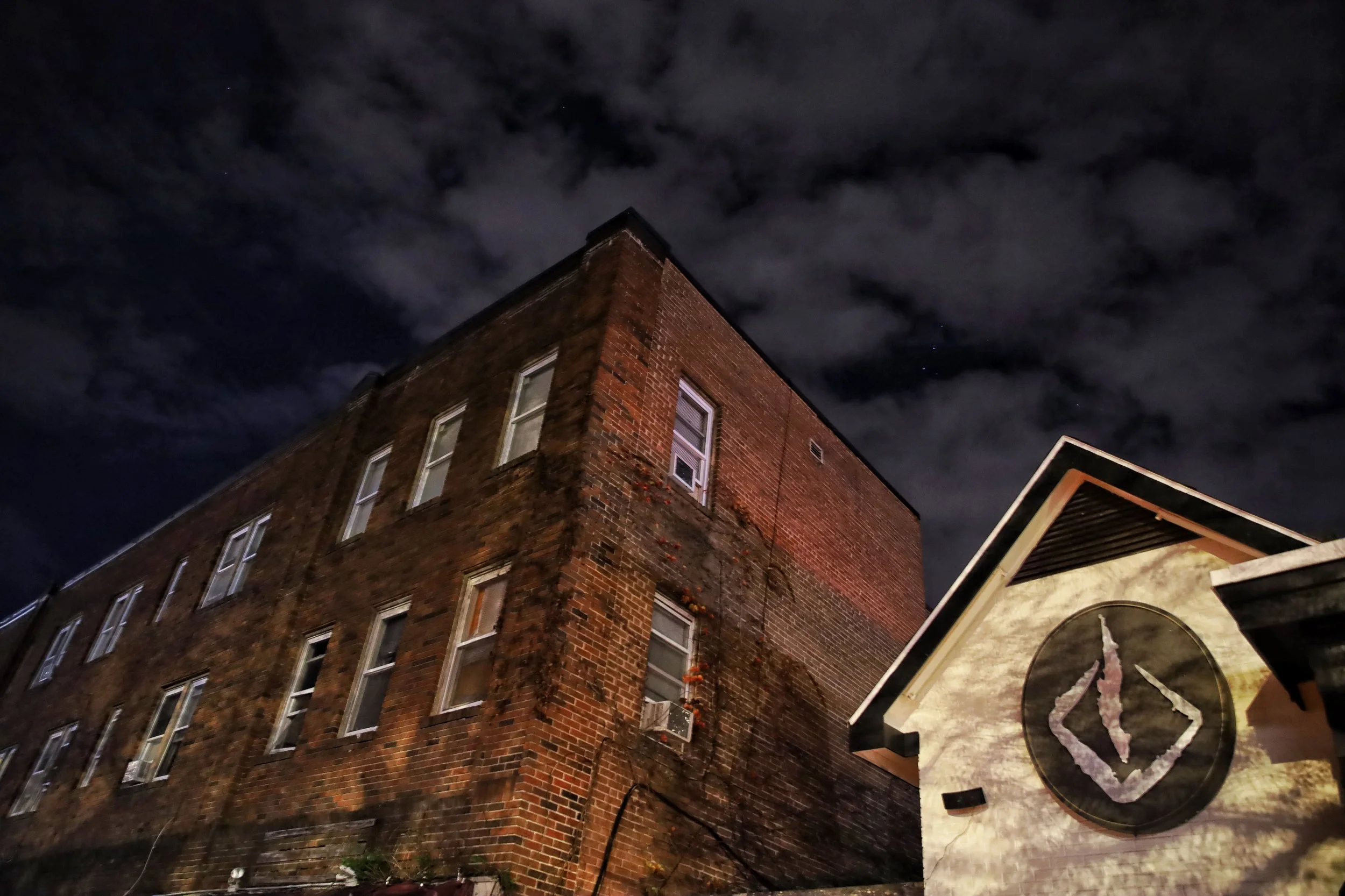
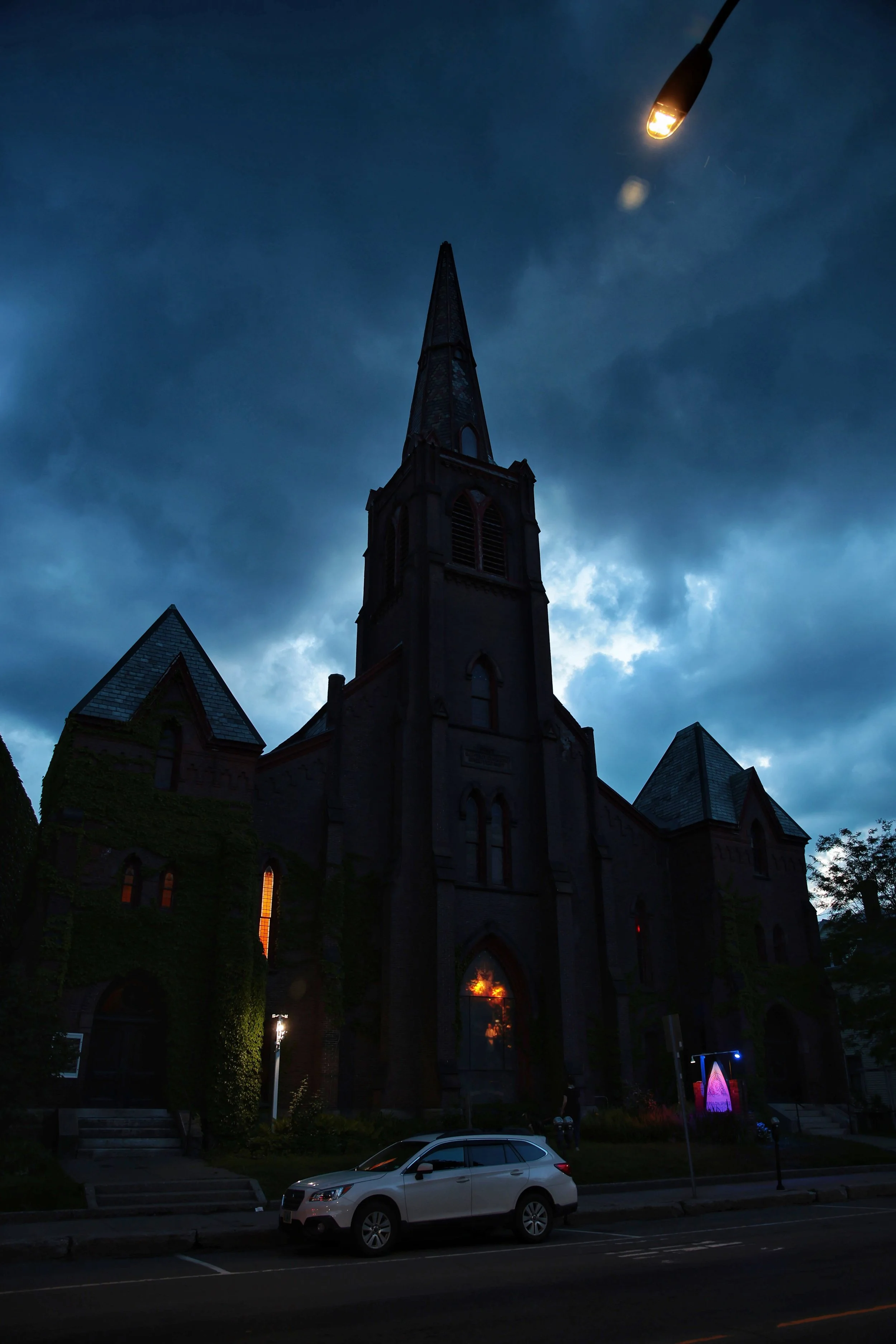
It was clear that night photography was better than I had experienced before. I have been shooting with different cameras within the EOS system since 2014, but all of them were cropped sensors, and higher ISO than 3200 would normally give me some noise. The RP made it possible to shoot at much higher ISO without rendering any grain, providing better photos in low-light situations. I am convinced that such feature was what allowed me to bring life to the events for Real Art Ways and Hispanic Health Council because I know the 7D would have limited me, even if I had improved the glass with the 24-70mm.
While battery life can be a constant issue with this camera, I have to admit that I only owned one original LP-E17. And one major upside of using the Canon batteries is the possibility of being able to charge with a cable connected to the camera body, something that can be life saving if you are on the road.
One fun feature (although completely irrelevant) was that once you were shooting vertically, the settings, both in the viewfinder or during live mode, would adjust their position for you to read them without issue. I never needed that before, as once you have been shooting with the same system you know and understand the settings even looking at them from the side. Nevertheless, it made settings and adjustments reading more comfortable and easier.
Final Thoughts
Although I only used the Canon EOS RP for a year and a half, I can say that my experience with it was amazing. Despite the low shutter speed and burst rate, it allowed me to capture even decent baseball images. Besides, it was perfect for indoors and documentary photography, and felt extremely light to carry.
Particularly, the true inconvenience, or the one that actually bothered me the most was the capacity of the battery and the weakness on the charge of the third party ones. Other than having to go through up to five battery packs in a two-hour gala, everything about the RP was, at the time, the perfect fit for me and for what I was shooting at the time.
Even though other mirrorless cameras have been brought to Canon’s line up, the RP remains the cheapest of all the full-frame bodies (second cheapest in the whole R-series lineup), making it the best option for people on a budget.




Note: I strongly recommend you buy it from reliable places like the Canon Inc website, Adorama, B&H, MPB, and Keh if you want to get it online. If you want to get it in person, go to any authorized selling retail camera store or Best Buy.